BPC-157 Dosage Chart
BPC-157 is dosed at 200 mcg–600 mcg daily via subcutaneous injection in educational protocols. A 10 mg vial reconstituted with bacteriostatic water yields about 3.33 mg/mL. This information is for research and educational use only.
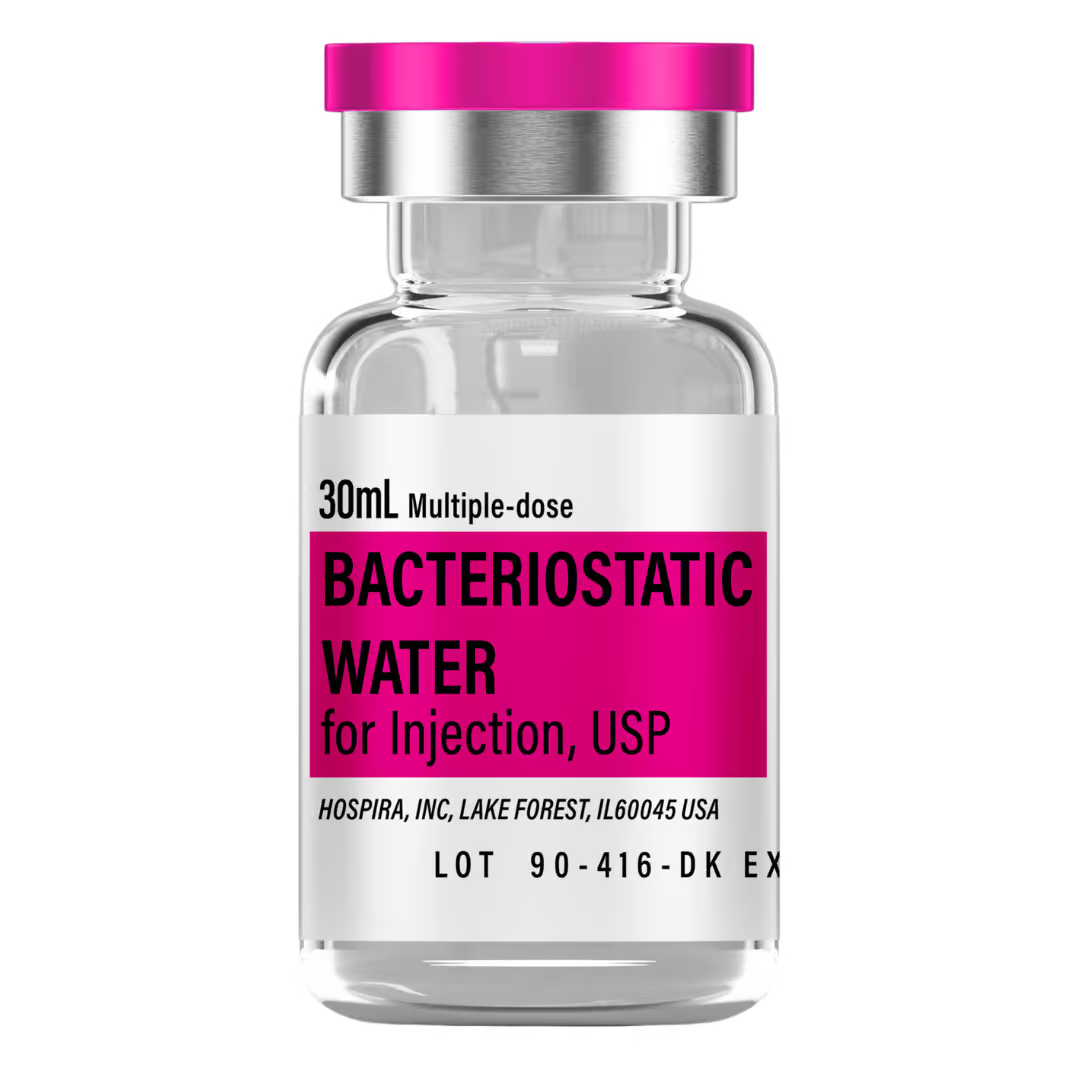
- Reconstitute: Add 3.0 mL bacteriostatic water → 3.33 mg/mL concentration.
- Typical daily range: 200–600 mcg once daily (gradual titration).
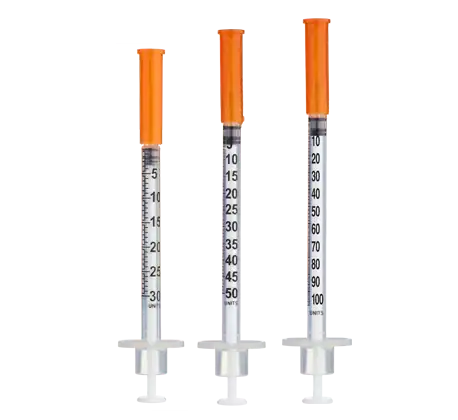
- Easy measuring: At 3.33 mg/mL, 1 unit = 0.01 mL ≈ 33.3 mcg on a U-100 insulin syringe.
- Storage: Lyophilized: freeze at −20 °C (−4 °F); after reconstitution, refrigerate at 2–8 °C (35.6–46.4 °F); avoid freeze–thaw cycles.
BPC-157 (Body Protection Compound-157) is a synthetic 15-amino-acid peptide derived from a gastric protein sequence studied for tissue-healing and cytoprotective properties[1][2]. Preclinical models demonstrate accelerated wound repair and anti-inflammatory activity[3], though human clinical data remain limited to early-phase safety trials and small case reports[4][5]. This educational protocol presents a once-daily subcutaneous approach using a practical dilution for clear insulin-syringe measurements.
Dosing & Reconstitution Guide
Educational guide for reconstitution and daily dosing
Standard / Gradual Approach (3 mL = ~3.33 mg/mL)
| Week | Daily Dose (mcg) | Units (per injection) (mL) |
|---|---|---|
| Weeks 1–2 | 200 mcg (0.2 mg) | 6 units (0.06 mL) |
| Weeks 3–4 | 400 mcg (0.4 mg) | 12 units (0.12 mL) |
| Weeks 5–8+ | 600 mcg (0.6 mg) | 18 units (0.18 mL) |
Frequency: Inject once daily subcutaneously. This schedule uses the largest practical dilution (3.0 mL) to keep per-injection units well above 5 for better accuracy. Dosing is extrapolated from preclinical models[1][6]; human clinical validation remains limited.
Reconstitution Steps
- Draw 3.0 mL bacteriostatic water with a sterile syringe.
- Inject slowly down the vial wall; avoid foaming.
- Gently swirl/roll until dissolved (do not shake).
- Label and refrigerate at 2–8 °C (35.6–46.4 °F), protected from light.
Plan based on an 8–16 week daily protocol with gradual titration.
- Peptide Vials (BPC-157, 10 mg each):
- 8 weeks ≈ 3 vials (25.2 mg used)
- 12 weeks ≈ 5 vials (42 mg used)
- 16 weeks ≈ 6 vials (58.8 mg used)
- Insulin Syringes (U-100):
- Per week: 7 syringes (1/day)
- 8 weeks: 56 syringes
- 12 weeks: 84 syringes
- 16 weeks: 112 syringes
- Bacteriostatic Water (10 mL bottles): Use ~3.0 mL per vial for reconstitution.
- 8 weeks (3 vials): 9 mL → 1 × 10 mL bottle
- 12 weeks (5 vials): 15 mL → 2 × 10 mL bottles
- 16 weeks (6 vials): 18 mL → 2 × 10 mL bottles
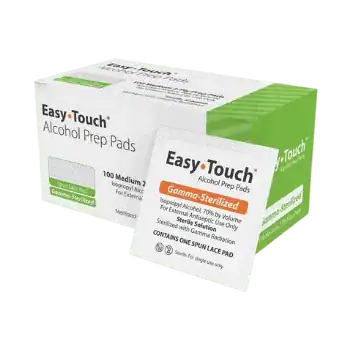
- Alcohol Swabs: One for the vial stopper + one for the injection site each day.
- Per week: 14 swabs (2/day)
- 8 weeks: 112 swabs → recommend 2 × 100-count boxes
- 12 weeks: 168 swabs → recommend 2 × 100-count boxes
- 16 weeks: 224 swabs → recommend 3 × 100-count boxes
Protocol Overview
Concise summary of the once-daily regimen.
- Goal: Support tissue-healing and recovery processes based on preclinical evidence[1][3].
- Schedule: Daily subcutaneous injections for 8–12 weeks (extend to 16 weeks if desired).
- Dose Range: 200–600 mcg daily with gradual titration.
- Reconstitution: 3.0 mL per 10 mg vial (~3.33 mg/mL) for accurate unit measurements.
- Storage: Lyophilized frozen; reconstituted refrigerated; avoid repeated freeze–thaw.
Dosing Protocol
Suggested daily titration approach.
- Start: 200 mcg daily; increase by ~200 mcg every 2 weeks as tolerated.
- Target: 400–600 mcg daily by Weeks 5–8+.
- Frequency: Once per day (subcutaneous).
- Cycle Length: 8–12 weeks; optional extension to 16 weeks.
- Timing: Any consistent time; rotate injection sites.
Storage Instructions
Proper storage preserves peptide quality.
- Lyophilized: Store at −20 °C (−4 °F) in dry, dark conditions; minimize moisture exposure.
- Reconstituted: Refrigerate at 2–8 °C (35.6–46.4 °F); prepare aliquots if needed and avoid freeze–thaw.
- Allow vials to reach room temperature before opening to reduce condensation uptake.
Practical considerations for consistency and safety.
- Use new sterile insulin syringes for each injection; dispose in a sharps container[7].
- Rotate injection sites (abdomen, thighs, upper arms) to reduce local irritation[8].
- Inject slowly; wait a few seconds before withdrawing the needle.
- Document daily dose and site rotation to maintain consistency.
- BPC-157 human data are preliminary; clinical decisions should involve qualified healthcare providers.
BPC-157 is a synthetic peptide corresponding to a partial sequence of human gastric juice protein[2]. Preclinical studies suggest it modulates nitric oxide pathways and growth-factor expression to promote angiogenesis and collagen deposition in damaged tissues[1][3]. Animal models report accelerated healing of gut, tendon, ligament, and muscle injuries[6]. A Phase I oral safety trial has been completed[9], and a small human case series reported improvements following intra-articular administration[5]; however, large-scale controlled human efficacy data are not yet available.
Observations from preclinical and early clinical literature.
- Supports tissue repair in gut, tendon, muscle, and skin injury models (animal data)[1][3].
- Demonstrates anti-inflammatory and cytoprotective properties in preclinical settings[6].
- Phase I safety studies report good tolerability with no serious adverse events at tested doses[9].
- Occasional mild injection-site reactions (redness, itch) may occur with subcutaneous administration.
- Long-term human safety and efficacy remain under investigation[4].
Complementary strategies for best outcomes.
- Support recovery with adequate protein intake and micronutrient-rich foods.
- Balance activity and rest to allow tissue adaptation without overuse.
- Prioritize sleep and stress management to enhance natural healing processes.
- Consult qualified healthcare providers for injury-specific rehabilitation guidance.
General subcutaneous guidance from clinical best-practice resources[10][11].
- Clean the vial stopper and skin with alcohol; allow to dry.
- Pinch a skinfold; insert the needle at 45–90° into subcutaneous tissue[10].
- Do not aspirate for subcutaneous injections; inject slowly and steadily[10].
- Rotate sites systematically (abdomen, thighs, upper arms) to avoid lipohypertrophy[8].
- Discard used syringes immediately in a sharps container per WHO guidelines[7].
Recommended Source
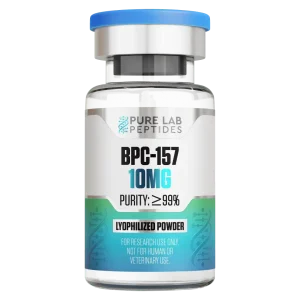
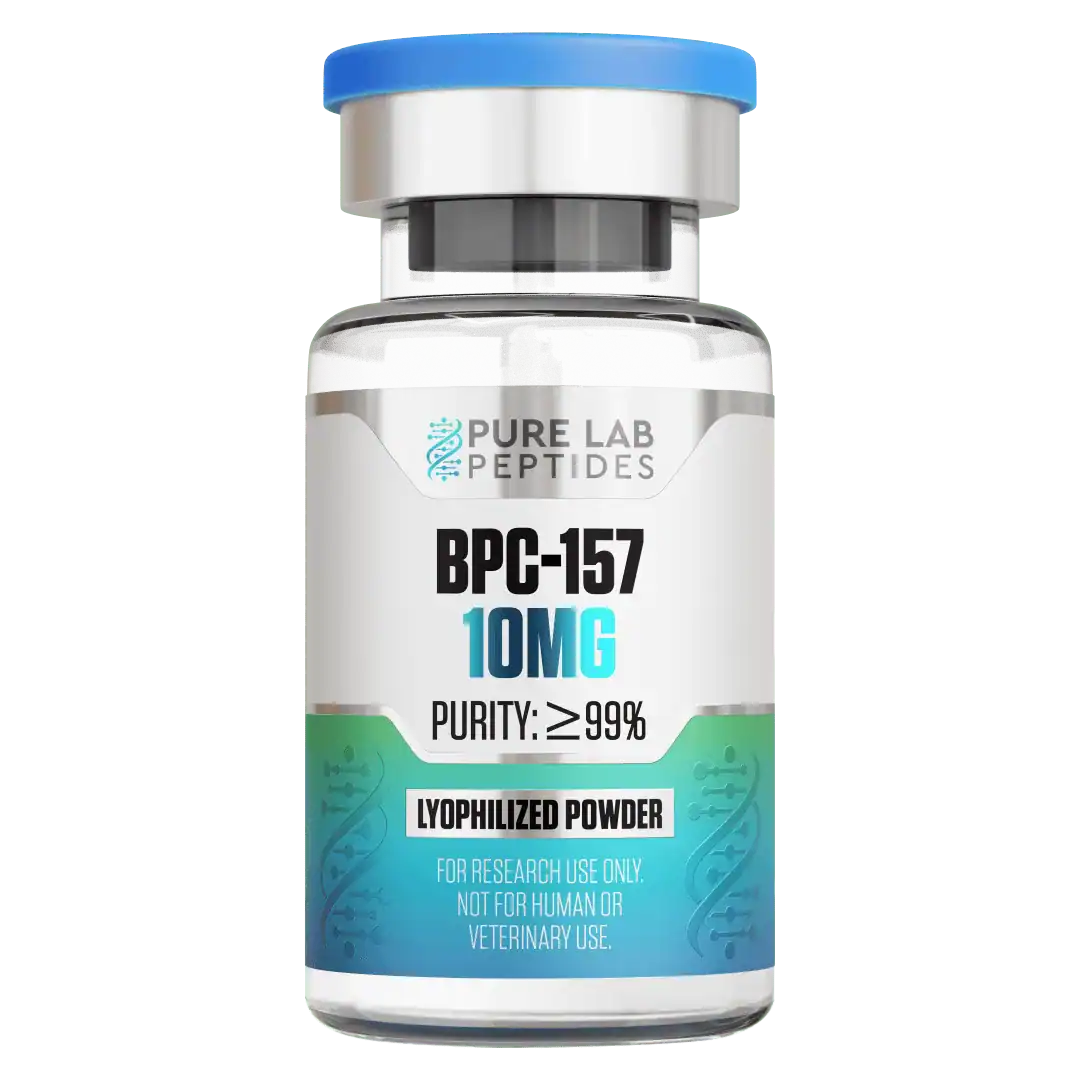
We recommend Pure Lab Peptides for high-purity BPC-157 (10 mg).
Why Pure Lab Peptides?
- High-purity, third-party-tested lots with batch COAs.
- Consistent, ISO-aligned handling and documentation.
- Reliable fulfillment to maintain cold-chain integrity.
Important Note
This content is for educational purposes only and is not medical advice, diagnosis, or treatment. BPC-157 remains investigational with limited human clinical data. For research use only. Not for human consumption.
References
-
Journal of Pharmacological Sciences— Klicek R et al. BPC-157 promotes colocutaneous fistula healing via NO-system modulation (rat model)
-
Pharmaceuticals (MDPI)— Józwiak M et al. Multifunctionality and possible medical application of BPC-157: literature and patent review (2025)
-
Current Pharmaceutical Design (PMC)— Sikiric P et al. BPC-157 stable gastric pentadecapeptide: novel therapy for wound healing and tissue repair
-
Life Sciences— Seiwerth S et al. BPC-157 and standard angiogenic growth factors: gastrointestinal tract healing and beyond
-
HSS Journal (PubMed)— Vasireddi N et al. Emerging use of BPC-157 in orthopaedic sports medicine: systematic review (2025)
-
Journal of Orthopaedic Research— Chang CH et al. BPC-157 promotes tendon-to-bone healing in a rat rotator cuff model
-
WHO (NCBI Bookshelf)— Guideline on safety-engineered syringes for IM, ID, and SC injections in health care settings (2016)
-
Johns Hopkins Arthritis Center— How to give a subcutaneous injection (patient education resource)
-
ClinicalTrials.gov— NCT02637284: PCO-02 Phase I safety and pharmacokinetics trial of oral BPC-157
-
CDC— Vaccine administration: subcutaneous route (angle/site; no aspiration)
-
Subcutaneous Drug Injection Review (PMC)— Pharmacologic considerations of the subcutaneous route
-
World Journal of Gastroenterology (PMC)— Sikiric P et al. Pentadecapeptide BPC-157: from GI tract to whole body healing
-
Pure Lab Peptides— BPC-157 (10 mg) product page (quality and batch documentation)