Glutathione Dosage Chart
Glutathione is dosed at 100 mg–200 mg daily via subcutaneous injection in educational protocols. A 600 mg vial reconstituted with bacteriostatic water yields about 300 mg/mL. This information is for research and educational use only.
- Reconstitute: Add 2.0 mL bacteriostatic water → 300 mg/mL concentration.
- Typical daily range: 100–200 mg subcutaneously (gradual titration recommended).
- Easy measuring: At 300 mg/mL, 1 unit = 0.01 mL = 3 mg on a U-100 insulin syringe.
- Storage: Lyophilized: store at −20 °C (−4 °F); after reconstitution, refrigerate at 2–8 °C (35.6–46.4 °F); avoid freeze–thaw cycles.

Glutathione dosage protocols leverage this master antioxidant tripeptide (γ-L-glutamyl-L-cysteinyl-glycine) to support cellular detoxification, reduce oxidative stress, and maintain redox balance throughout the body[1][2]. As the most abundant intracellular thiol, glutathione plays a central role in neutralizing free radicals, supporting liver function, enhancing immune cell activity, and protecting against environmental toxins[3][4]. This educational protocol presents a subcutaneous injection approach using a practical dilution for clear insulin-syringe measurements.
Dosing & Reconstitution Guide
Educational guide for reconstitution and daily dosing
Standard / Gradual Approach (2 mL = 300 mg/mL)
| Week | Daily Dose (mg) | Units (per injection) (mL) |
|---|---|---|
| Weeks 1–2 | 100 mg | 33 units (0.33 mL) |
| Weeks 3–4 | 150 mg | 50 units (0.50 mL) |
| Weeks 5–8 | 200 mg | 67 units (0.67 mL) |
Frequency: Inject once daily subcutaneously, or split into every-other-day dosing based on protocol goals[5]. Some protocols utilize 200 mg 1–2 × weekly for maintenance[6]. This schedule uses a practical 2.0 mL dilution for accurate measurements with standard insulin syringes.
Reconstitution Steps
- Draw 2.0 mL bacteriostatic water with a sterile syringe.
- Inject slowly down the vial wall; avoid foaming.
- Gently swirl/roll until dissolved (do not shake).
- Label and refrigerate at 2–8 °C (35.6–46.4 °F), protected from light.
Plan based on a 4–8 week daily protocol with gradual titration.
- Peptide Vials (Glutathione, 600 mg each):
- 4 weeks (100–150 mg/day avg) ≈ 3 vials
- 8 weeks (150–200 mg/day avg) ≈ 7 vials
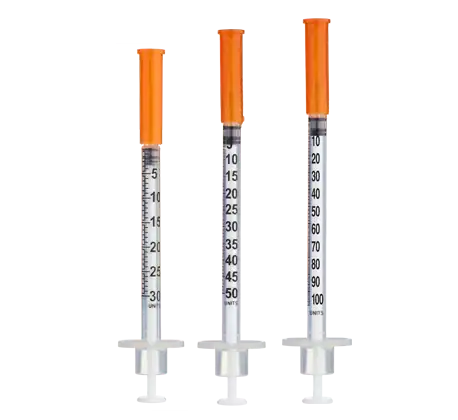
- Insulin Syringes (U-100):
- Per week: 7 syringes (1/day)
- 4 weeks: 28 syringes
- 8 weeks: 56 syringes
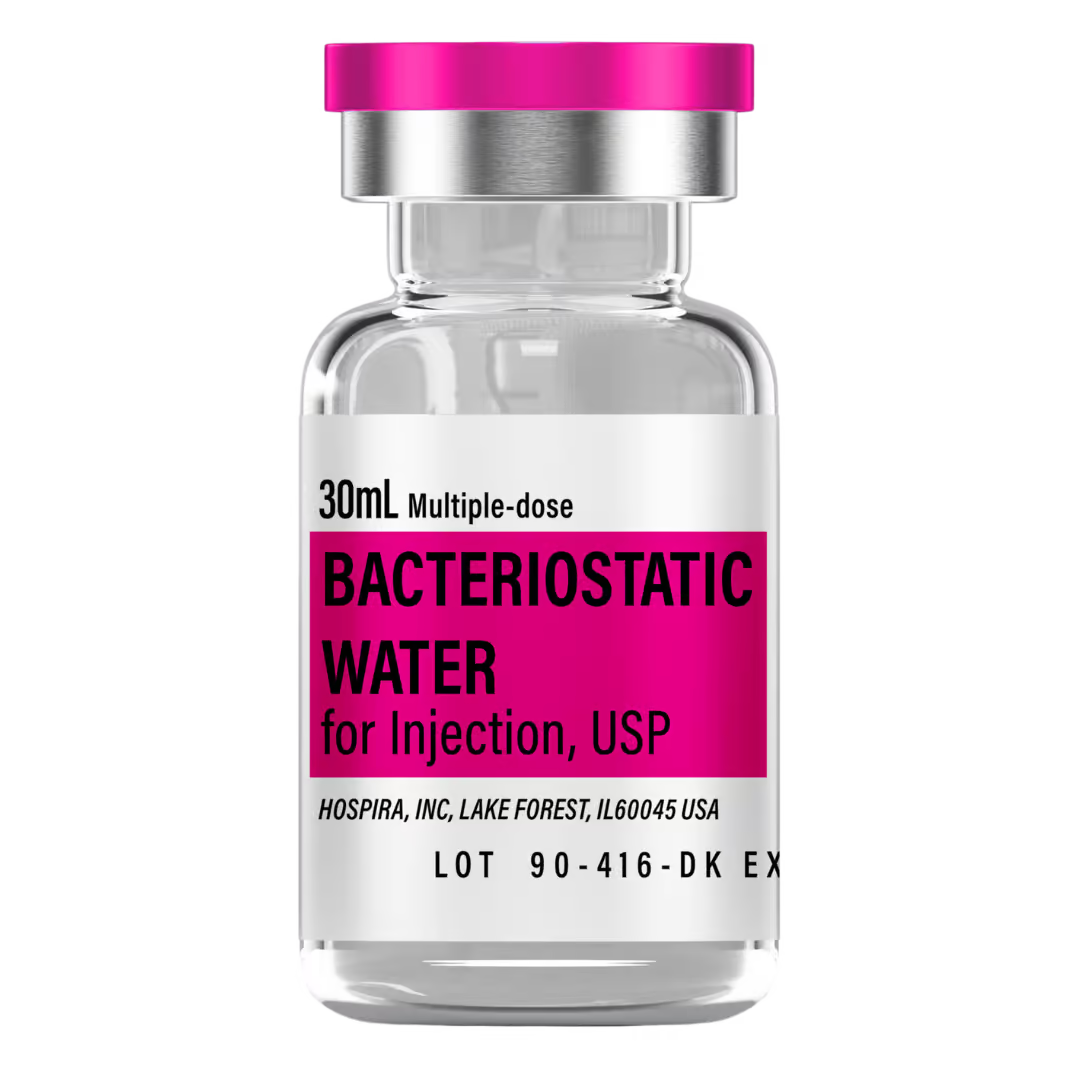
- Bacteriostatic Water (10 mL bottles): Use ~2.0 mL per vial for reconstitution.
- 4 weeks (3 vials): 6 mL → 1 × 10 mL bottle
- 8 weeks (7 vials): 14 mL → 2 × 10 mL bottles
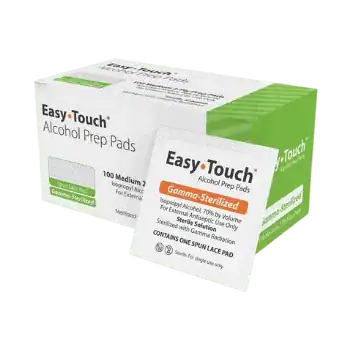
- Alcohol Swabs: One for the vial stopper + one for the injection site each day.
- Per week: 14 swabs (2/day)
- 4 weeks: 56 swabs → recommend 1 × 100-count box
- 8 weeks: 112 swabs → recommend 2 × 100-count boxes

Protocol Overview
Concise summary of the subcutaneous regimen.
- Goal: Support antioxidant defense, cellular detoxification, and immune function[1][3].
- Schedule: Daily or every-other-day subcutaneous injections for 4–8 weeks.
- Dose Range: 100–200 mg daily with gradual titration.
- Reconstitution: 2.0 mL per 600 mg vial (300 mg/mL) for accurate unit measurements.
- Storage: Lyophilized frozen; reconstituted refrigerated; avoid repeated freeze–thaw.
Dosing Protocol
Suggested daily titration approach.
- Start: 100 mg daily; increase by ~50 mg every 1–2 weeks as tolerated.
- Target: 150–200 mg daily by Weeks 3–8.
- Frequency: Once per day (subcutaneous) or every other day for maintenance.
- Cycle Length: 4–8 weeks; optional cycling off for 2–4 weeks between protocols.
- Timing: Any consistent time; rotate injection sites.
Storage Instructions
Proper storage preserves peptide quality.
- Lyophilized: Store at −20 °C (−4 °F) in dry, dark conditions; minimize moisture exposure.
- Reconstituted: Refrigerate at 2–8 °C (35.6–46.4 °F); use promptly and avoid freeze–thaw.
- Allow vials to reach room temperature before opening to reduce condensation uptake.
- Glutathione is relatively unstable once reconstituted—use within 2–3 weeks for optimal potency[6].
Practical considerations for consistency and safety.
- Use new sterile insulin syringes; dispose in a sharps container.
- Rotate injection sites (abdomen, thighs, upper arms) to reduce local irritation.
- Inject slowly; wait a few seconds before withdrawing the needle.
- Document daily dose and site rotation to maintain consistency.
Glutathione (GSH) is the body’s most abundant intracellular antioxidant, present in virtually every cell at concentrations of 1–10 mM[7]. As a tripeptide composed of glutamate, cysteine, and glycine, it functions as the primary thiol-based redox buffer, neutralizing reactive oxygen species (ROS), supporting Phase II detoxification pathways, and facilitating the excretion of xenobiotics and heavy metals[1][8]. The reduced form (GSH) donates electrons to neutralize free radicals and is then recycled back from its oxidized form (GSSG) by glutathione reductase[2]. Clinical and preclinical research demonstrates that maintaining optimal GSH levels supports liver function, immune cell activity, mitochondrial protection, and overall cellular homeostasis[3][9].
Observations from preclinical and clinical literature.
- Supports reduction of oxidative stress markers and maintenance of cellular redox balance[1][10].
- May enhance liver function and support hepatic detoxification pathways[9][11].
- Research suggests immune-modulating effects, including support for natural killer cell activity and T-cell function[3][12].
- Clinical studies on skin health indicate potential effects on melanin index and skin brightness with sustained use[13][14].
- Generally well tolerated; occasional mild injection-site reactions (redness/itch) may occur with subcutaneous administration.
- Rare reports of gastrointestinal discomfort with high-dose protocols; start with lower doses and titrate gradually.
Complementary strategies for best outcomes.
- Consume sulfur-rich foods (cruciferous vegetables, garlic, onions) to support endogenous GSH synthesis[15].
- Minimize alcohol consumption, which depletes hepatic glutathione stores[7].
- Reduce exposure to environmental toxins and oxidative stressors where possible.
- Prioritize adequate sleep and stress management to support antioxidant recycling.
- Consider complementary nutrients such as vitamin C and selenium that support glutathione recycling[2].
General subcutaneous guidance from clinical best-practice resources[16].
- Clean the vial stopper and skin with alcohol; allow to dry.
- Pinch a skinfold; insert the needle at 45–90° into subcutaneous tissue[17][18].
- Do not aspirate for subcutaneous injections; inject slowly and steadily[17].
- Rotate sites systematically (abdomen, thighs, upper arms) to avoid lipohypertrophy[19].
Recommended Source
We recommend Pure Lab Peptides for high-purity Glutathione (600 mg).
Why Pure Lab Peptides?
- High-purity, third-party-tested lots with batch COAs.
- Consistent, ISO-aligned handling and documentation.
- Reliable fulfillment to maintain cold-chain integrity.
Important Note
This content is for educational purposes only and is not medical advice.
References
-
PubMed— The antioxidant glutathione: protective roles, cofactor functions, and regeneration mechanisms
-
PubMed— Glutathione and glutathione-dependent enzymes: coordinated defense against oxidative stress
-
PMC— Glutathione: roles in immune function, detoxification, and clinical applications
-
PubMed— The interplay of glutathione-related processes in antioxidant defense
-
PMC— Exploring safety and efficacy of glutathione supplementation: narrative review
-
PubMed— Glutathione as a skin-lightening agent and in melasma: systematic review
-
PMC— Glutathione: pharmacological aspects and implications for clinical use in NAFLD
-
PubMed— Oxidative stress: role of mitochondria and protection by glutathione
-
PMC— Efficacy of glutathione for NAFLD treatment: open-label pilot study
-
PMC— Protective effect of glutathione against oxidative stress-induced cytotoxicity via Nrf2/HO-1 pathway
-
PubMed— Glutathione in the treatment of liver diseases: clinical practice insights
-
Nature— Glutathione system enhancement for cardiac protection against oxidative stress
-
PubMed— Clinical effect of glutathione on skin color and related conditions: systematic review
-
PMC— Glutathione and its antiaging and antimelanogenic effects: RCT at 250 mg/day
-
PubMed— Oxidative stress and regulation of glutathione in lung inflammation
-
PMC— Subcutaneous drug injection review: pharmacologic considerations
-
CDC— Vaccine administration: subcutaneous route (angle/site; no aspiration)
-
CDC (Subcut Injection PDF)— Technique diagram and site guidance for subcutaneous injections
-
NCBI Bookshelf— Best practices for injection (asepsis, preparation, and administration)
-
Pure Lab Peptides— Glutathione (600 mg) product page (quality and batch documentation)