
Tesamorelin Dosage Chart
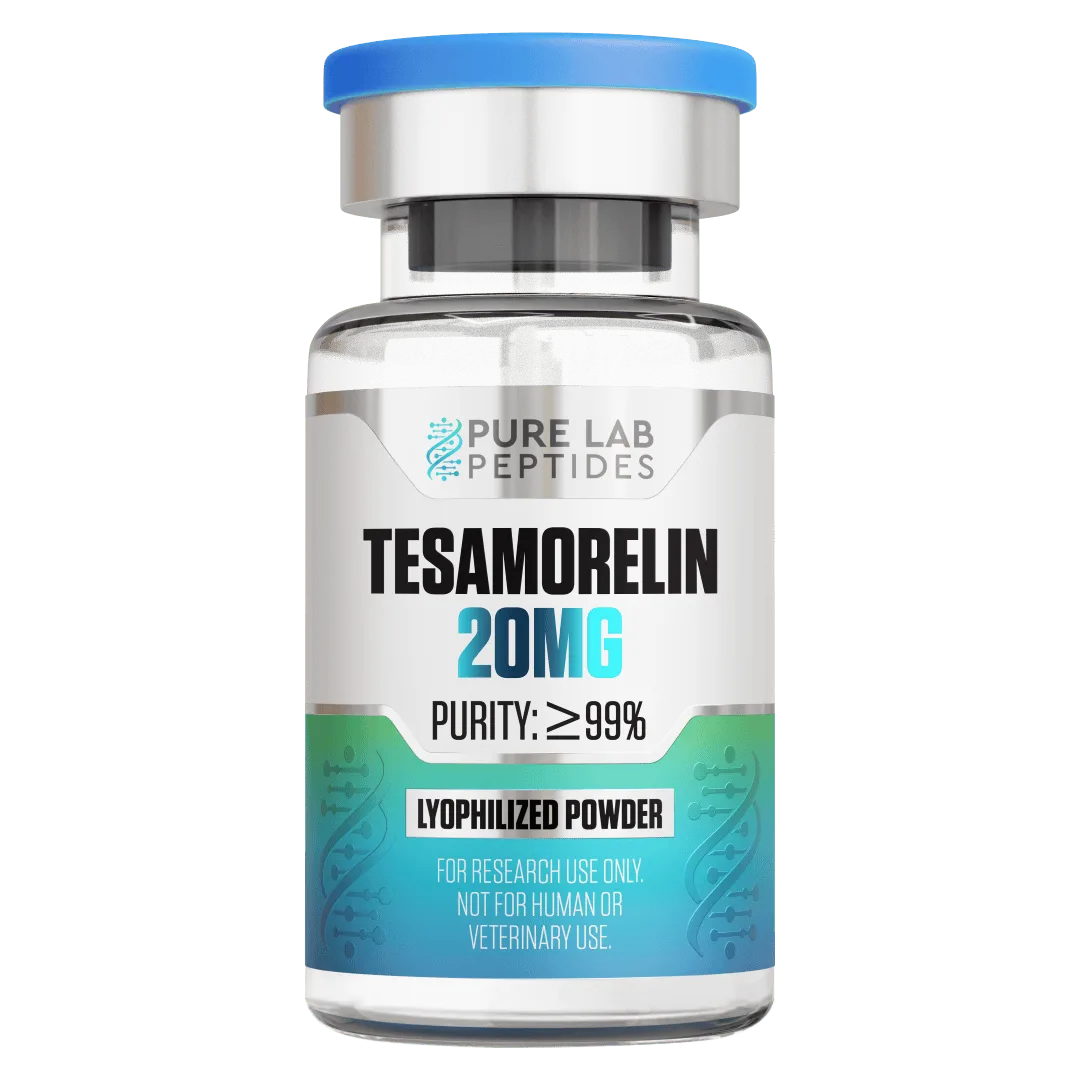
Tesamorelin is dosed at 1 mg–2 mg daily by subcutaneous injection in educational protocols, typically at night. A 20 mg vial reconstituted with bacteriostatic water yields about 6.67 mg/mL. This information is for research and educational use only.
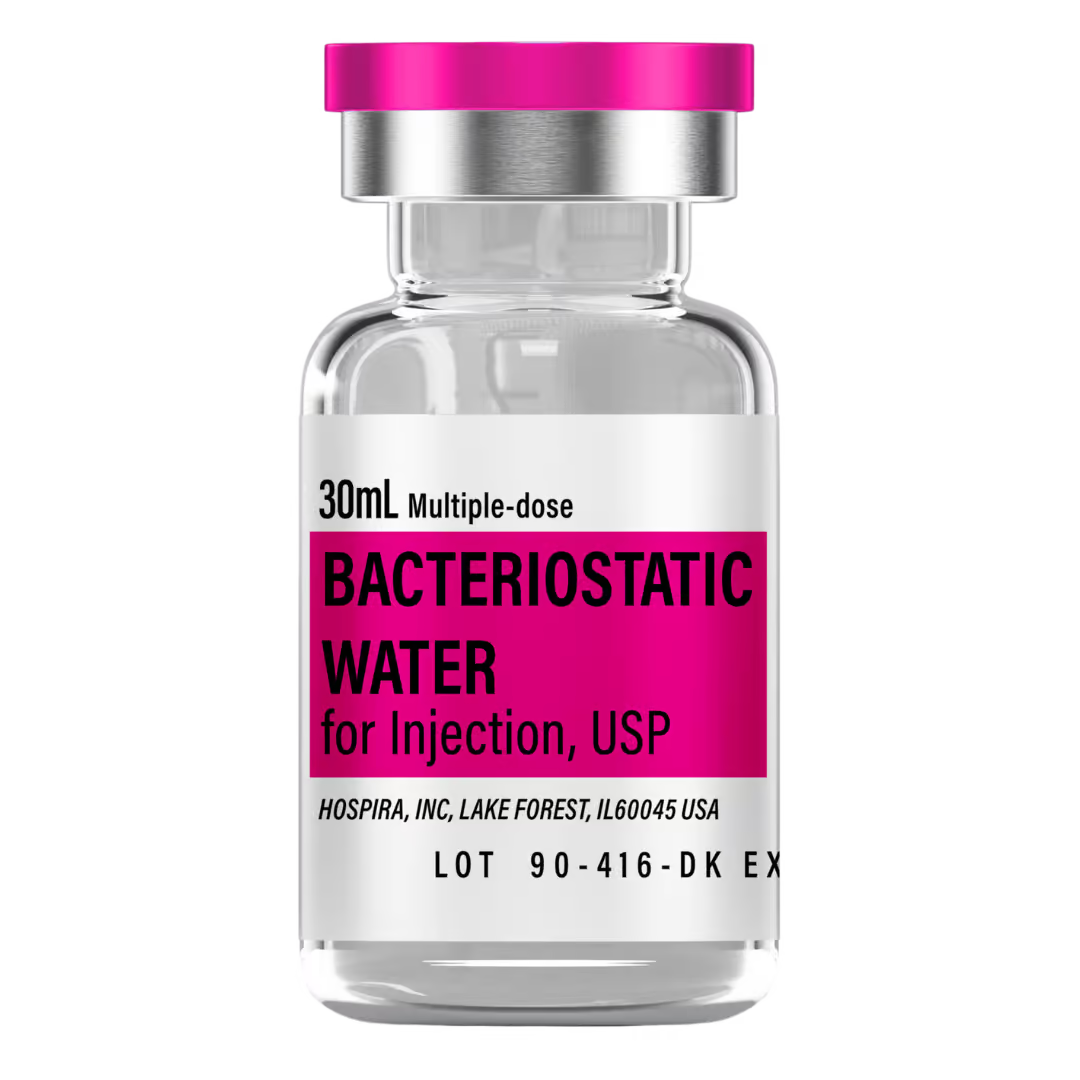
- Reconstitute: Add 3.0 mL bacteriostatic water per 20 mg vial → ~6.67 mg/mL concentration.
- Standard daily dose: 2 mg (2000 mcg) once daily subcutaneously (FDA-approved protocol).
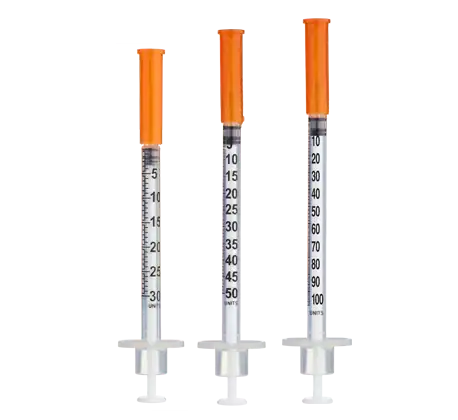
- Easy measuring: At 6.67 mg/mL, 1 unit = 0.01 mL ≈ 66.7 mcg on a U-100 insulin syringe.
- Storage: Lyophilized: refrigerate at 2–8 °C (35.6–46.4 °F); reconstituted: refrigerate and use within 7 days with bacteriostatic water.
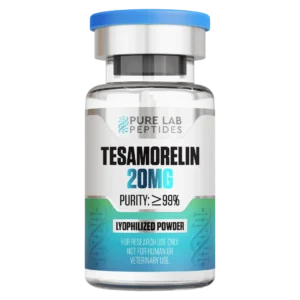
Tesamorelin is a synthetic 44-amino-acid peptide analog of Growth Hormone-Releasing Hormone (GHRH)[1]. It stimulates endogenous growth hormone release and raises IGF-1 levels, leading to enhanced lipolysis and metabolic benefits[2]. Tesamorelin is FDA-approved for reducing visceral adipose tissue in HIV-associated lipodystrophy and is studied for metabolic disorders and aging research[3][4].
Dosing & Reconstitution Guide
Educational guide for reconstitution and daily dosing
Standard FDA-Approved Protocol (3.0 mL = ~6.67 mg/mL)
| Week | Daily Dose (mg / mcg) | Units (per injection) (mL) |
|---|---|---|
| Week 1 | 1 mg / 1000 mcg | 15 units (0.15 mL) |
| Weeks 2–12+ | 2 mg / 2000 mcg | 30 units (0.30 mL) |
Frequency: Inject once daily subcutaneously, preferably in the evening to coincide with nocturnal GH release[5][6]. The 2 mg daily dose is the standard FDA-approved regimen for HIV lipodystrophy[7][8]. A one-week titration at 1 mg may improve tolerability before advancing to the full 2 mg dose.
Reconstitution Steps
- Draw 3.0 mL bacteriostatic water with a sterile syringe.
- Inject slowly down the vial wall; avoid foaming.
- Gently swirl until dissolved (do not shake).
- Label and refrigerate at 2–8 °C (35.6–46.4 °F), protected from light.
- Use within 7 days when reconstituted with bacteriostatic water[1].
Plan based on an 8–16 week daily protocol at the standard 2 mg dose (after Week 1 titration).
- Peptide Vials (Tesamorelin, 20 mg each):
- 8 weeks ≈ 6 vials (105 mg total)
- 12 weeks ≈ 9 vials (161 mg total)
- 16 weeks ≈ 11 vials (217 mg total)
- Insulin Syringes (U-100, 1 mL capacity):
- Per week: 7 syringes (1/day)
- 8 weeks: 56 syringes
- 12 weeks: 84 syringes
- 16 weeks: 112 syringes
- Bacteriostatic Water (10 mL bottles): Use 3.0 mL per vial for reconstitution.
- 8 weeks (6 vials): 18 mL → 2 × 10 mL bottles
- 12 weeks (9 vials): 27 mL → 3 × 10 mL bottles
- 16 weeks (11 vials): 33 mL → 4 × 10 mL bottles
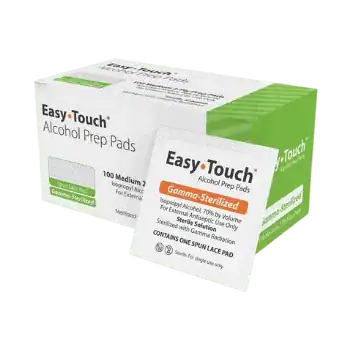
- Alcohol Swabs: One for the vial stopper + one for the injection site each day.
- Per week: 14 swabs (2/day)
- 8 weeks: 112 swabs → recommend 2 × 100-count boxes
- 12 weeks: 168 swabs → recommend 2 × 100-count boxes
- 16 weeks: 224 swabs → recommend 3 × 100-count boxes
Protocol Overview
Concise summary of the FDA-approved once-daily regimen.
- Goal: Reduce visceral adipose tissue and improve lipid profiles through sustained GH/IGF-1 elevation[3][4].
- Schedule: Daily subcutaneous injections for 12–26 weeks (extendable to 52 weeks with medical supervision)[3].
- Dose: 2 mg (2000 mcg) daily after Week 1 titration.
- Reconstitution: 3.0 mL per 20 mg vial (~6.67 mg/mL) for accurate measurement.
- Storage: Lyophilized refrigerated; reconstituted refrigerated up to 7 days; avoid freeze-thaw.
Dosing Protocol
FDA-approved daily dosing approach with tolerability titration.
- Week 1: 1 mg (1000 mcg) once daily to assess tolerability.
- Weeks 2+: 2 mg (2000 mcg) once daily (standard FDA-approved dose)[7][8].
- Frequency: Once per day (subcutaneous), preferably in the evening.
- Cycle Length: 12–26 weeks; clinical trials support up to 52 weeks with monitoring[3].
- Timing: Evening administration recommended; rotate injection sites.
Storage Instructions
Proper storage preserves peptide quality and efficacy.
- Lyophilized: Store at 2–8 °C (35.6–46.4 °F); newer formulations (Egrifta SV) stable at 20–25 °C (68–77 °F) before reconstitution[1].
- Reconstituted (with bacteriostatic water): Refrigerate at 2–8 °C (35.6–46.4 °F); use within 7 days[1].
- Reconstituted (with sterile water): Use immediately; discard any unused portion[1].
- Do not freeze reconstituted solution; avoid repeated freeze-thaw cycles.
Practical considerations for consistency and safety.
- Use new sterile insulin syringes for each injection; dispose in a sharps container[10].
- Rotate injection sites (abdomen at least 2 inches from navel, thighs, upper arms) to reduce local irritation[6][10].
- Inject slowly; wait a few seconds before withdrawing the needle.
- Monitor IGF-1 levels periodically due to potent GH stimulation; observe blood glucose in diabetic patients[9].
- Document daily dose and site rotation to maintain consistency.
Tesamorelin mimics natural human GHRH by binding to pituitary GHRH receptors, triggering pulsatile growth hormone secretion and consequent IGF-1 elevation[2]. This cascade promotes lipolysis (fat breakdown), protein synthesis, and favorable metabolic shifts. In HIV-associated lipodystrophy, daily tesamorelin significantly reduces visceral adipose tissue and improves lipid profiles over 6–12 months[3][4]. Research also explores tesamorelin’s potential to reduce liver fat in NAFLD patients and enhance cognitive function in older adults by restoring age-related GH/IGF-1 declines[4].
Observations from clinical trials and FDA-approved use.
- Significant reduction in visceral adipose tissue (measurable after 3–6 months)[3].
- Improved lipid profiles and potential liver fat reduction in NAFLD[4].
- Enhanced cognitive function in older adults (research ongoing)[4].
- Well-tolerated with maintained benefits during continuous use up to 52 weeks[3].
- Injection-site reactions: Mild redness, itching, pain, or bruising at injection area[9].
- Musculoskeletal symptoms: Joint pain (arthralgia), muscle aches, peripheral edema (mild swelling)[9].
- Carpal tunnel symptoms: Occasional tingling or numbness in extremities (dose-dependent, reversible).
- Metabolic monitoring: IGF-1 elevation requires monitoring; small increases in HbA1c observed in some patients[9].
Complementary strategies for optimal outcomes.
- Combine with a balanced, protein-forward diet to support GH/IGF-1 anabolic effects.
- Integrate resistance training and aerobic activity to maximize fat loss and metabolic benefits.
- Prioritize 7–9 hours of quality sleep to optimize natural GH pulsatility.
- Manage stress through mindfulness or relaxation techniques to support adherence and recovery.
Subcutaneous injection best practices from clinical guidelines[10].
- Clean the vial stopper and skin with alcohol swabs; allow to air-dry completely.
- Pinch a skinfold at the injection site (abdomen preferred, at least 2 inches from navel)[6].
- Insert the needle at 90° (if adequate subcutaneous fat) or 45° (if lean)[10].
- Release the pinch, then inject slowly; wait 2–3 seconds before withdrawing.
- Rotate injection sites systematically (left/right abdomen, thighs, upper arms) to prevent lipohypertrophy[6].
- Dispose of used syringes immediately in a puncture-proof sharps container[10].
Recommended Source
We recommend Pure Lab Peptides for high-purity Tesamorelin (20 mg).
Why Pure Lab Peptides?
- High-purity, third-party-tested lots with batch COAs (≥99% purity).
- Consistent, ISO-aligned handling and documentation.
- Reliable fulfillment to maintain cold-chain integrity.
- Dedicated customer support for therapeutic research applications.
Important Note
This content is intended for therapeutic educational purposes only and does not constitute medical advice, diagnosis, or treatment. Tesamorelin is a prescription medication (FDA-approved as Egrifta®) for HIV-related lipodystrophy. Any off-label use should comply with applicable laws and be conducted under appropriate medical supervision. Consult a qualified medical professional before considering any therapeutic use of tesamorelin.
References
-
Tesamorelin – LiverTox: Clinical and Research Information on Drug-Induced Liver Injury— National Institutes of Health, NIDDK (2018)
-
Tesamorelin (Subcutaneous route) – Drug Information— Mayo Clinic / IBM Merative (2025)
-
Effects of tesamorelin (TH9507), a growth hormone–releasing factor analog, in HIV-infected patients with excess abdominal fat: a pooled analysis of two phase 3 trials— J. Clin. Endocrinol. Metab. (2010)
-
Safety and metabolic effects of tesamorelin in patients with type 2 diabetes: A randomized, placebo-controlled trial— PLoS ONE (2017)
-
Tesamorelin can improve cognitive function (Research Highlight)— Nature Reviews Endocrinology (2012)
-
Tesamorelin Injection – MedlinePlus Drug Information— MedlinePlus (U.S. National Library of Medicine) (2025)
-
EGRIFTA SV (tesamorelin) – Full Prescribing Information— Theratechnologies, Inc. (FDA Label) (2024)
-
Tesamorelin: Uses, Dosage, Side Effects, Warnings— Drugs.com (AHFS Monograph & Patient Info) (2025)
-
Tesamorelin – LiverTox (Safety Profile)— NIH NIDDK LiverTox Database (2018)
-
Administration of Parenteral Medications – Nursing Skills (Open RN Textbook)— Open RN, Chippewa Valley Technical College (2023)
-
Pure Lab Peptides – Tesamorelin 20 mg Product Page— Quality and batch documentation for research-grade tesamorelin