
Semax Dosage Chart
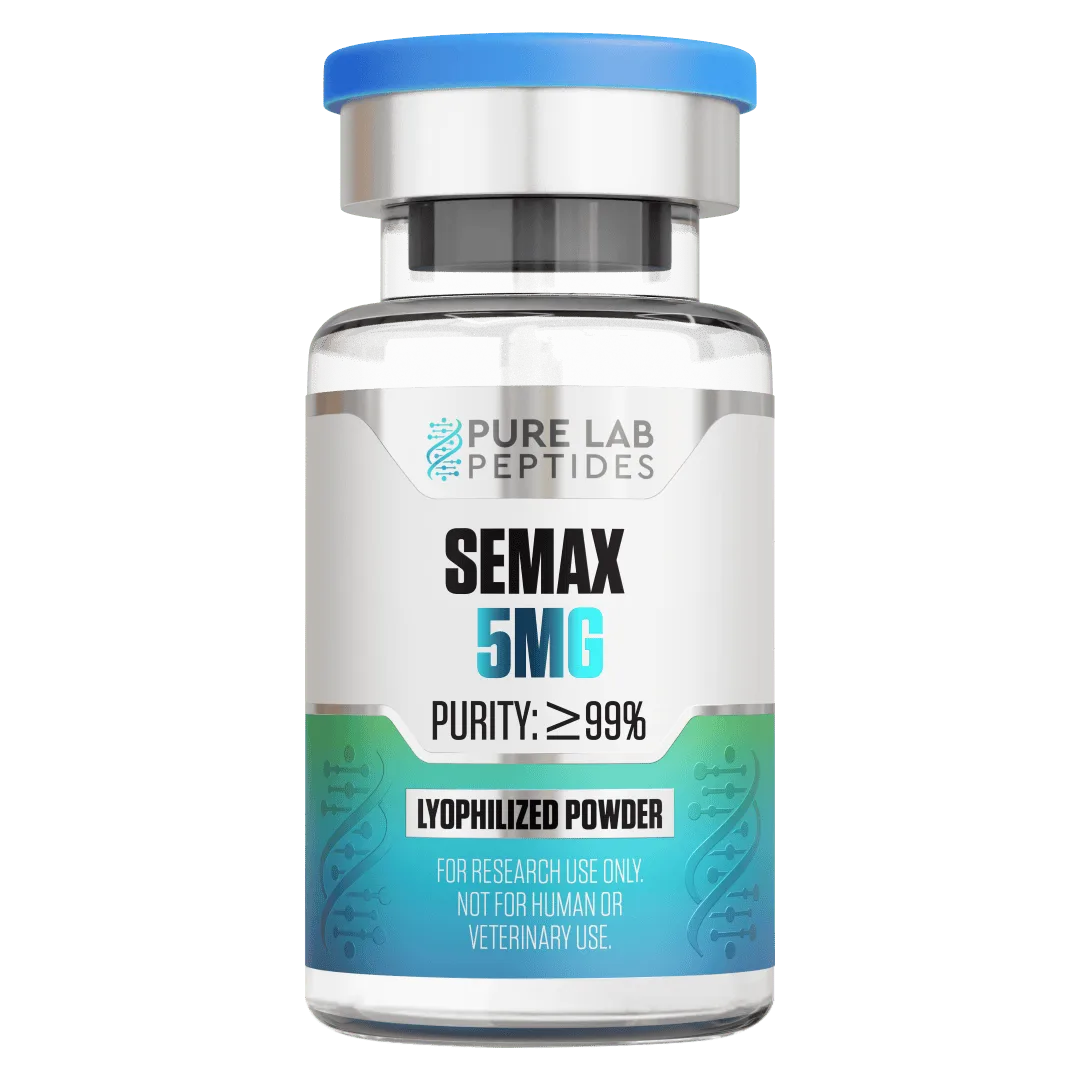
Semax is dosed at 200 mcg–500 mcg daily in educational protocols, given subcutaneously or intranasally. A 5 mg vial reconstituted with bacteriostatic water yields about 1.67 mg/mL. Doses are often split morning and afternoon. This information is for research and educational use only.
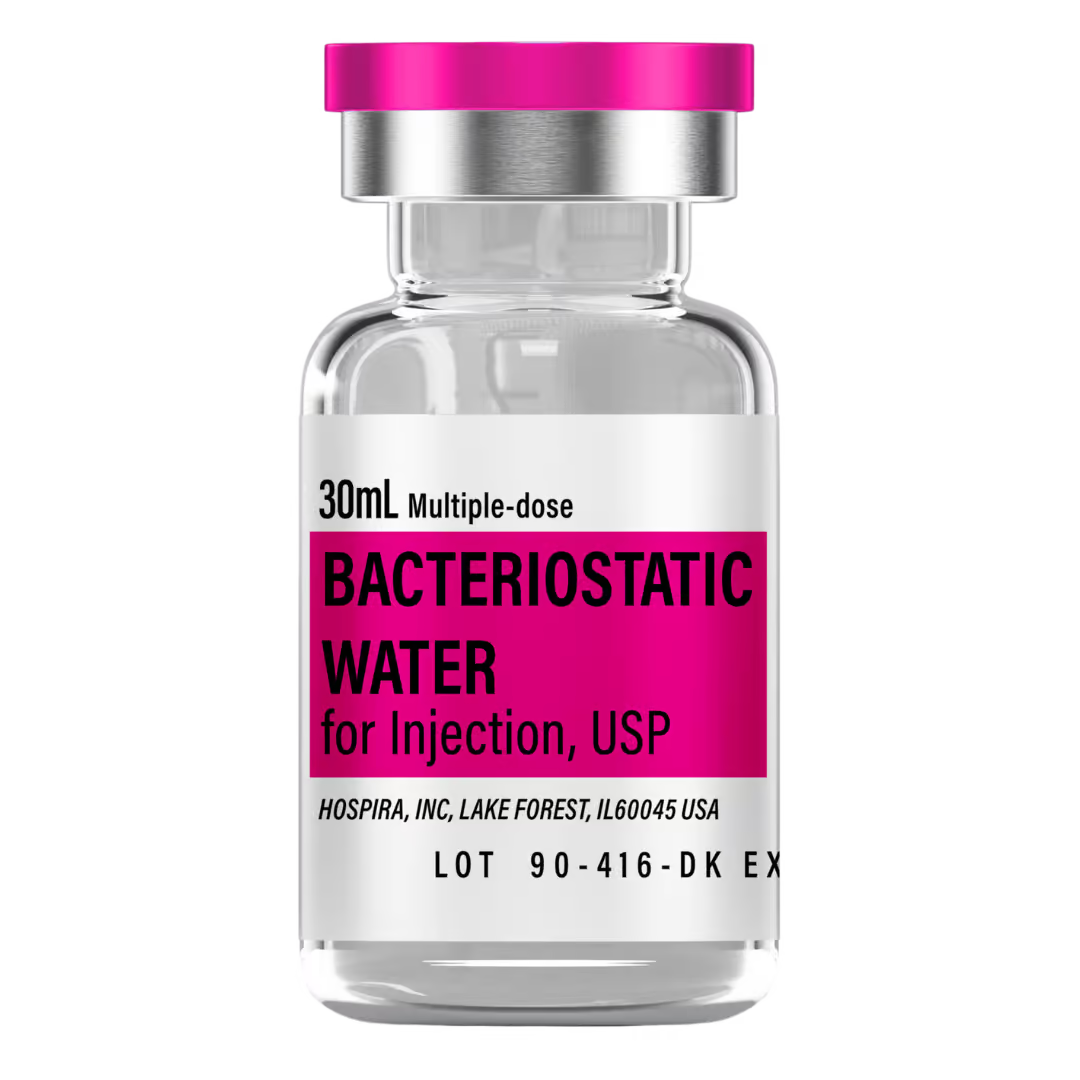
- Reconstitute: Add 3.0 mL bacteriostatic water (max vial capacity) → ~1.67 mg/mL concentration.
- Typical daily range: 200–500 mcg once daily (gradual titration).
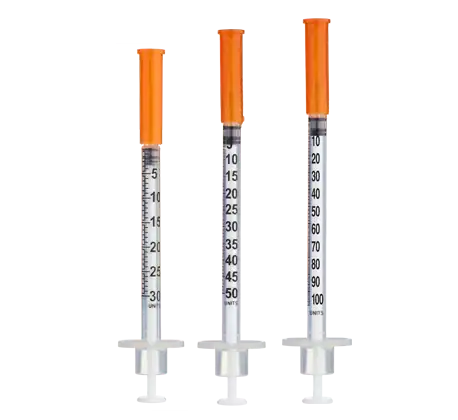
- Easy measuring: At 1.67 mg/mL, 1 unit = 0.01 mL ≈ 16.7 mcg on a U‑100 insulin syringe.
- Storage: Lyophilized: freeze at −20 °C (−4 °F); after reconstitution, refrigerate at 2–8 °C (35.6–46.4 °F); avoid freeze–thaw cycles.
Semax is a synthetic heptapeptide analog of the ACTH(4–10) fragment, originally developed in Russia for its neuroprotective, nootropic, and neurotrophic properties[1][5]. It has been studied for cognitive enhancement, cerebrovascular recovery, and optic neuropathy support[3][6]. This educational protocol presents a once‑daily subcutaneous approach using a practical dilution for clear insulin‑syringe measurements.
Dosing & Reconstitution Guide
Educational guide for reconstitution and daily dosing
Standard / Gradual Approach (3 mL = ~1.67 mg/mL)
| Week | Daily Dose (mcg) | Units (per injection) (mL) |
|---|---|---|
| Weeks 1–2 | 200 mcg | 12 units (0.12 mL) |
| Weeks 3–4 | 300 mcg | 18 units (0.18 mL) |
| Weeks 5–6 | 400 mcg | 24 units (0.24 mL) |
| Weeks 7–12 | 500 mcg | 30 units (0.30 mL) |
Frequency: Inject once daily subcutaneously. Semax has a short biological half‑life; however, subcutaneous delivery provides more sustained systemic absorption than intranasal dosing[4]. This schedule uses the largest practical dilution (3.0 mL) to keep per‑injection units ≥10 for better accuracy. If a lower individual dose ever falls under ~10 units, consider using 50‑unit or 30‑unit insulin syringes for finer gradations.
Reconstitution Steps
- Draw 3.0 mL bacteriostatic water with a sterile syringe.
- Inject slowly down the vial wall; avoid foaming.
- Gently swirl/roll until dissolved (do not shake).
- Label and refrigerate at 2–8 °C (35.6–46.4 °F), protected from light.
Plan based on an 8–16 week daily protocol with gradual titration.
- Peptide Vials (Semax, 5 mg each):
- 8 weeks ≈ 5 vials
- 12 weeks ≈ 8 vials
- 16 weeks ≈ 10 vials
- Insulin Syringes (U‑100):
- Per week: 7 syringes (1/day)
- 8 weeks: 56 syringes
- 12 weeks: 84 syringes
- 16 weeks: 112 syringes
- Bacteriostatic Water (10 mL bottles): Use ~3.0 mL per vial for reconstitution.
- 8 weeks (5 vials): 15 mL → 2 × 10 mL bottles
- 12 weeks (8 vials): 24 mL → 3 × 10 mL bottles
- 16 weeks (10 vials): 30 mL → 3 × 10 mL bottles
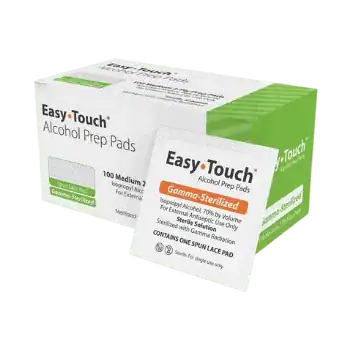
- Alcohol Swabs: One for the vial stopper + one for the injection site each day.
- Per week: 14 swabs (2/day)
- 8 weeks: 112 swabs → recommend 2 × 100‑count boxes
- 12 weeks: 168 swabs → recommend 2 × 100‑count boxes
- 16 weeks: 224 swabs → recommend 3 × 100‑count boxes
Protocol Overview
Concise summary of the once‑daily regimen.
- Goal: Support neuroprotective, nootropic, and neurotrophic outcomes studied in clinical settings[1][5].
- Schedule: Daily subcutaneous injections for 8–12 weeks (extend to 16 weeks with cycling).
- Dose Range: 200–500 mcg daily with gradual titration.
- Reconstitution: 3.0 mL per 5 mg vial (~1.67 mg/mL) for accurate unit measurements.
- Storage: Lyophilized frozen; reconstituted refrigerated; avoid repeated freeze–thaw.
Dosing Protocol
Suggested daily titration approach.
- Start: 200–300 mcg daily; increase by ~100 mcg every 1–2 weeks as tolerated.
- Target: 400–500 mcg daily by Weeks 5–12.
- Frequency: Once per day (subcutaneous).
- Cycle Length: 8–12 weeks continuous; for 16‑week spans use 6–8 weeks on / 2–4 weeks off cycling[2][3].
- Timing: Any consistent time; rotate injection sites.
Storage Instructions
Proper storage preserves peptide quality.
- Lyophilized: Store at −20 °C (−4 °F) in dry, dark conditions; minimize moisture exposure.
- Reconstituted: Refrigerate at 2–8 °C (35.6–46.4 °F); prepare aliquots if needed and avoid freeze–thaw[2].
- Allow vials to reach room temperature before opening to reduce condensation uptake.
Practical considerations for consistency and safety.
- Use new sterile insulin syringes; dispose in a sharps container.
- Rotate injection sites (abdomen, thighs, upper arms) to reduce local irritation.
- Inject slowly; wait a few seconds before withdrawing the needle.
- Document daily dose and site rotation to maintain consistency.
- Semax effects are dose‑dependent; start conservatively and increase only as needed[2].
Semax is a stabilized synthetic analog of the adrenocorticotropic hormone fragment ACTH(4–10), designed to resist enzymatic degradation and enhance central nervous system bioavailability[5][11]. Preclinical and clinical research indicates that Semax modulates BDNF expression, supports neuronal survival, and influences monoaminergic neurotransmission[1]. In human studies, Semax has demonstrated cognitive‑enhancing effects in patients with cerebrovascular conditions and minimal brain dysfunction, with courses typically lasting 10–30 days at daily intranasal doses of 200–6,000 mcg depending on severity[2][3]. When administered subcutaneously, systemic absorption is more sustained compared to the intranasal route, potentially allowing once‑daily dosing[4].
Observations from preclinical and clinical literature.
- Supports cognitive function, attention, and memory in subjects with cerebrovascular or mild cognitive impairment[2][3].
- Neuroprotective properties observed in ischemic stroke models, with clinical trials reporting favorable neurological recovery outcomes[3].
- Studied in optic neuropathy with reported stabilization of visual function over month‑long courses[6].
- Generally well tolerated in clinical use; no significant adverse effects reported at standard doses in published studies[2][6].
- Occasional mild injection‑site reactions (redness, minor irritation) may occur with subcutaneous administration.
Complementary strategies for best outcomes.
- Prioritize quality sleep (7–9 hours) to support neurocognitive recovery and neuroplasticity.
- Engage in regular aerobic exercise, which independently supports BDNF expression and cognitive function.
- Maintain a nutrient‑dense diet rich in omega‑3 fatty acids, antioxidants, and B vitamins to support neuronal health.
- Manage chronic stress through mindfulness or relaxation techniques, as elevated cortisol can impair cognitive outcomes.
General subcutaneous guidance from clinical best‑practice resources[10].
Recommended Source
We recommend Pure Lab Peptides for high‑purity Semax (5 mg).
Why Pure Lab Peptides?
- High‑purity, third‑party‑tested lots with batch COAs.
- Consistent, ISO‑aligned handling and documentation.
- Reliable fulfillment to maintain cold‑chain integrity.
Important Note
This content is for educational purposes only and is not medical advice.
References
-
Neurochemical Journal (2023)— Voronina T.A. Cognitive Impairment and Nootropic Drugs: Mechanism of Action and Spectrum of Effects. Discusses Semax pharmacology and administration routes.
-
Vidal Drug Manual (2021)— Official prescribing information for Semax 0.1% intranasal formulation; human dosing guidelines, schedule, and storage requirements.
-
Zhurnal Nevrologii i Psikhiatrii (2018)— Gusev E.I. et al. Efficacy of Semax in treatment of patients at different stages of ischemic stroke. Clinical trial of 6,000 mcg/day intranasal in 10‑day courses.
-
Neuroscience and Behavioral Physiology (2012)— Manchenko D.M. et al. Nootropic and Analgesic Effects of Semax Given via Different Routes. Compares intranasal vs injection route efficacy.
-
Zh Vyssh Nerv Deiat (1997)— Ashmarin I.P. et al. A nootropic analog of adrenocorticotropic hormone 4–10 — Semax. Early characterization of nootropic properties and dosing.
-
Vestnik Oftalmologii (2001)— Kurysheva N.I. et al. Semax in treatment of glaucomatous optic neuropathy. Human study (36 patients); ~1 month daily Semax with no significant adverse effects.
-
CDC— Vaccine administration: subcutaneous route (angle/site; no aspiration)
-
CDC (Subcut Injection PDF)— Technique diagram and site guidance for subcutaneous injections
-
NCBI Bookshelf— Best practices for injection (asepsis, preparation, and administration)
-
Subcutaneous Drug Injection Review (PMC)— Pharmacologic considerations of the subcutaneous route
-
Pharmaceutics (2022)— Deigin V.I. et al. Development of Peptide Biopharmaceuticals in Russia. Overview of Russian peptide drugs including Semax formulations and stability.
-
Drug Testing and Analysis (2023)— Jędrejko K. et al. Unauthorized ingredients in “nootropic” dietary supplements. Notes Semax use as an unapproved nootropic, including intranasal use in humans.
-
Pure Lab Peptides— Semax (5 mg) product page (quality and batch documentation)
-
Frontiers in Neuroscience (2017)— Dolgikh V.T. et al. Semax as a universal drug for therapy and research. Review of intranasal delivery, bioavailability limitations, and clinical pharmacology across indications.