
PE-22-28 Dosage Chart
PE-22-28 is dosed at 50 mcg–200 mcg daily via subcutaneous injection in educational protocols. A 10 mg vial reconstituted with bacteriostatic water yields about 3.33 mg/mL. This information is for research and educational use only.
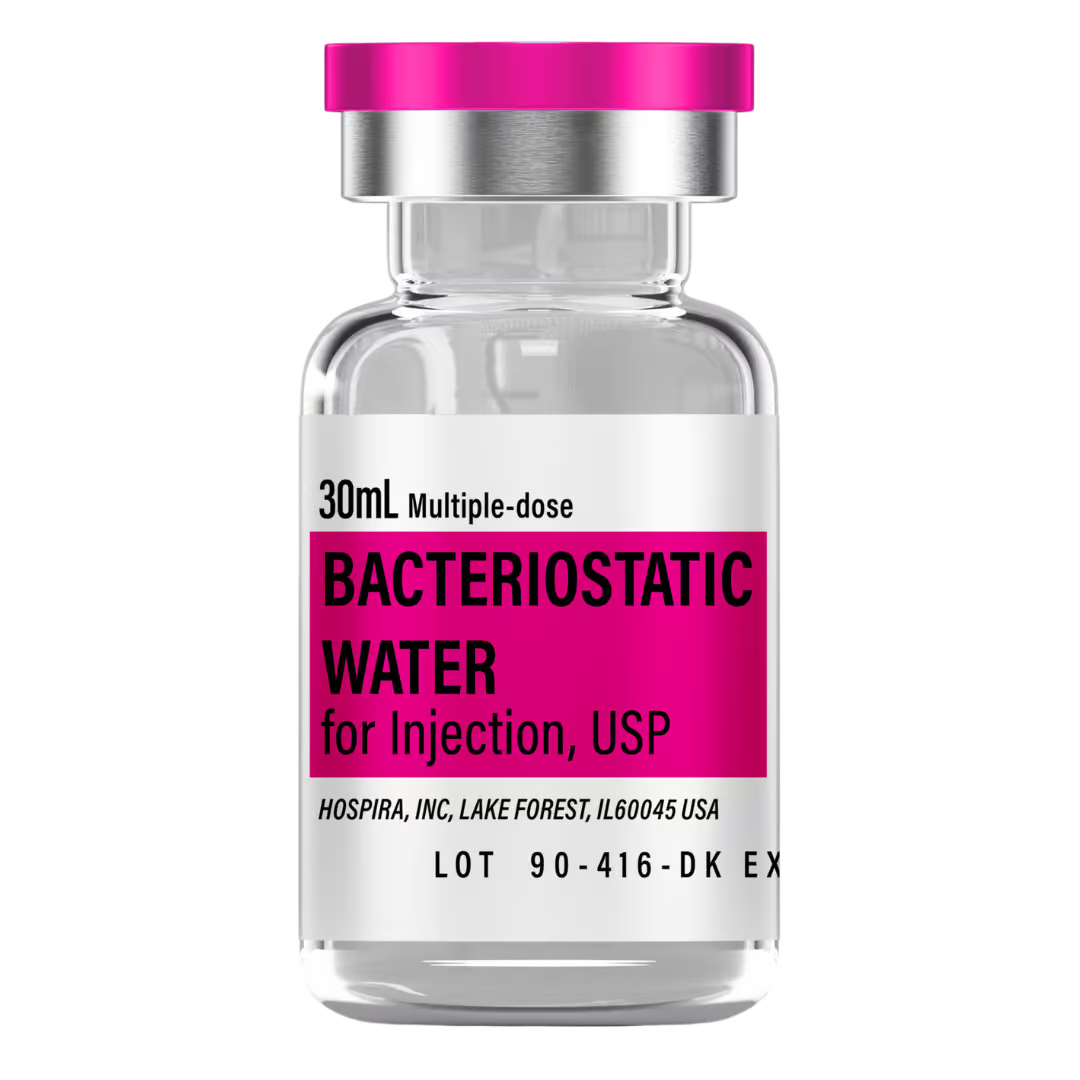
- Reconstitute: Add 3.0 mL bacteriostatic water → ~3.33 mg/mL concentration.
- Typical daily range: 50–200 µg once daily (gradual titration over 8–16 weeks).
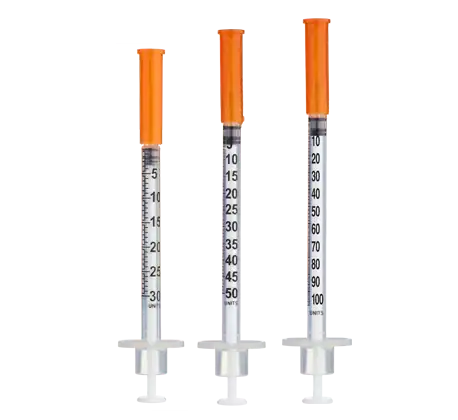
- Easy measuring: At 3.33 mg/mL, 1 unit = 0.01 mL ≈ 33.3 µg on a U-100 insulin syringe.
- Storage: Lyophilized: freeze at −20 °C (−4 °F); after reconstitution, refrigerate at 2–8 °C (35.6–46.4 °F); protect from light.
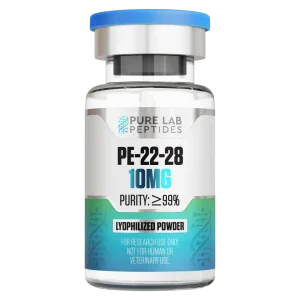
PE-22-28 is a synthetic heptapeptide (sequence: GVSWGLR) derived from the sortilin propeptide, engineered as a potent and selective antagonist of TREK-1 potassium channels[4]. Preclinical studies demonstrate rapid antidepressant-like effects, enhanced neurogenesis, and neuroprotection with a favorable safety profile showing no cardiac or metabolic side effects[2][3]. This educational protocol presents a once-daily subcutaneous approach with gradual titration.
Dosing & Reconstitution Guide
Educational guide for reconstitution and daily dosing
Standard / Gradual Approach (3 mL = ~3.33 mg/mL)
| Week | Daily Dose (µg) | Units (per injection) (mL) |
|---|---|---|
| Weeks 1–2 | 50 µg | 1.5 units (0.015 mL) |
| Weeks 3–4 | 100 µg | 3 units (0.03 mL) |
| Weeks 5–8 | 100 µg | 3 units (0.03 mL) |
| Weeks 9–12 (Optional) | 150 µg | 4.5 units (0.045 mL) |
| Weeks 13–16 (Optional) | 200 µg | 6 units (0.06 mL) |
Frequency: Inject once daily subcutaneously. This schedule uses a practical 3.0 mL dilution for accurate measurement. For ≤10-unit (≤0.10 mL) administrations, consider 30- or 50-unit insulin syringes for improved readability. Many researchers find 100–150 µg sufficient given PE-22-28’s high potency[4].
Reconstitution Steps
- Draw 3.0 mL bacteriostatic water with a sterile syringe.
- Inject slowly down the vial wall; avoid foaming.
- Gently swirl/roll until dissolved (do not shake).
- Label and refrigerate at 2–8 °C (35.6–46.4 °F), protected from light.
Plan based on an 8–16 week daily protocol with gradual titration. Replace vials every 4 weeks to maintain potency.
- Peptide Vials (PE-22-28, 10 mg each):
- 8 weeks ≈ 2 vials
- 12 weeks ≈ 3 vials
- 16 weeks ≈ 4 vials
- Insulin Syringes (U-100):
- Per week: 7 syringes (1/day)
- 8 weeks: 56 syringes
- 12 weeks: 84 syringes
- 16 weeks: 112 syringes
- Bacteriostatic Water (10 mL bottles): Use ~3.0 mL per vial for reconstitution.
- 8 weeks (2 vials): 6 mL → 1 × 10 mL bottle
- 12 weeks (3 vials): 9 mL → 1 × 10 mL bottle
- 16 weeks (4 vials): 12 mL → 2 × 10 mL bottles
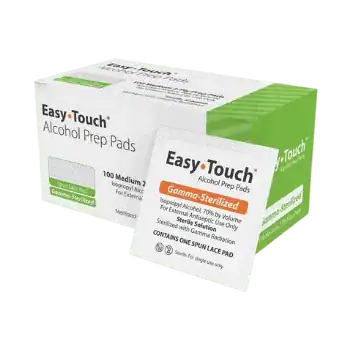
- Alcohol Swabs: One for the vial stopper + one for the injection site each day.
- Per week: 14 swabs (2/day)
- 8 weeks: 112 swabs → recommend 2 × 100-count boxes
- 12 weeks: 168 swabs → recommend 2 × 100-count boxes
- 16 weeks: 224 swabs → recommend 3 × 100-count boxes
Protocol Overview
Concise summary of the once-daily regimen.
- Goal: Support rapid neuroplasticity, mood regulation, and neuroprotection through selective TREK-1 inhibition[2][4].
- Schedule: Daily subcutaneous injections for 12–16 weeks (8 weeks minimum).
- Dose Range: 50–200 µg daily with conservative titration; many find 100–150 µg adequate.
- Reconstitution: 3.0 mL per 10 mg vial (~3.33 mg/mL) for precise low-volume measurements.
- Storage: Lyophilized frozen; reconstituted refrigerated; replace vials every 4 weeks.
Dosing Protocol
Suggested conservative daily titration approach.
- Start: 50 µg daily for Weeks 1–2 to assess tolerance.
- Increase: 100 µg daily for Weeks 3–8 (standard maintenance dose).
- Optional Titration: 150 µg (Weeks 9–12) or 200 µg (Weeks 13–16) only if well-tolerated and additional effect desired.
- Frequency: Once per day (subcutaneous).
- Cycle Length: 12–16 weeks; 8 weeks minimum.
- Timing: Consistent daily time; rotate injection sites systematically.
Storage Instructions
Proper storage preserves peptide quality and potency.
- Lyophilized: Store at −20 °C (−4 °F) in dry, dark conditions; minimize moisture exposure.
- Reconstituted: Refrigerate at 2–8 °C (35.6–46.4 °F); use within 4 weeks for optimal potency.
- Allow vials to reach room temperature before opening to reduce condensation; protect from light.
- Replace with fresh vial every 4 weeks even if peptide remains; bacteriostatic water sterility is guaranteed for 28 days after first puncture[10].
Practical considerations for consistency and safety.
- Use new sterile insulin syringes for each injection; dispose in a sharps container immediately.
- Rotate injection sites (abdomen, thighs, upper arms) systematically to reduce local irritation.
- Inject slowly; wait a few seconds before withdrawing the needle to prevent leakage.
- Document daily dose, site rotation, and any observations to maintain protocol consistency.
- Given PE-22-28’s high potency (IC50 ~0.12 nM), conservative dosing is recommended; most preclinical effects occurred at low microgram ranges[4].
PE-22-28 functions as a potent and selective antagonist of TREK-1 (KCNK2) two-pore domain potassium channels[2]. By blocking TREK-1, it depolarizes neurons and enhances excitability, leading to increased firing of serotonergic neurons and elevated monoamine neurotransmission[2]. This mechanism produces rapid antidepressant-like effects in preclinical models—within 4 days, PE-22-28 significantly increases hippocampal neurogenesis and synaptogenesis markers, changes typically requiring weeks with conventional antidepressants[4]. The peptide also activates CaMKII/CREB pathways that promote neuronal survival and plasticity[6]. PE-22-28 represents a shortened, optimized analog of spadin with superior potency (IC50 ~0.12 nM versus 40–60 nM for spadin) and longer duration of action (~23 hours versus ~7 hours)[4]. Notably, research also demonstrates neuroprotective effects in stroke models through biphasic dosing that leverages both TREK-1 activation at ultra-low doses and inhibition at standard doses[5].
Observations from preclinical literature and mechanistic studies.
- Rapid Antidepressant Effects: Produces behavioral improvements within 4 days in rodent models; reduces immobility in forced swim tests and decreases latency to feed in novel environments[4].
- Enhanced Neuroplasticity: Increases hippocampal neurogenesis, synaptogenesis markers (PSD-95), dendritic spine density, and BDNF expression within days[4].
- Neuroprotection: In stroke models, preserves dopaminergic neurons, reduces motor deficits, and prevents post-stroke depressive behavior[5].
- Favorable Safety Profile: Shows high selectivity with no effects on hERG channels (cardiac safety), no impact on heart rate, blood pressure, glucose regulation, or pain perception in preclinical studies[3]. No TREK-1-related side effects or withdrawal observed[3].
- No Human Data: All evidence is from cell culture and animal studies; human safety and pharmacokinetics remain unestablished[1].
- Potential Mild Reactions: Subcutaneous administration may occasionally cause minor injection-site reactions (slight redness or tenderness).
Complementary strategies to support neuroplasticity and mood optimization.
- Maintain consistent sleep schedule and prioritize 7–9 hours of quality sleep to support neurogenesis.
- Engage in regular physical activity; both aerobic exercise and resistance training enhance BDNF and mood-regulating pathways.
- Follow a nutrient-dense diet rich in omega-3 fatty acids, antioxidants, and B-vitamins to support brain health.
- Practice stress-management techniques (meditation, mindfulness, therapy) to complement neuroplastic adaptations.
- Consider cognitive training or novel learning activities to synergize with enhanced synaptic plasticity.
General subcutaneous guidance from clinical best-practice resources.
- Clean the vial stopper and injection site with alcohol; allow both to air-dry completely[8][9].
- Pinch a skinfold of subcutaneous tissue; insert the needle at 45° (or 90° if using very short needles with ample subcutaneous fat)[8].
- Do not aspirate for subcutaneous injections; inject solution slowly and steadily[8].
- Rotate sites systematically (abdomen at least 2 inches from navel, front/outer thighs, outer upper arms) to prevent lipohypertrophy and maintain absorption consistency[9].
- Given the very small injection volumes (often ≤0.10 mL), technique precision is critical. Consider using 30- or 50-unit insulin syringes for doses under 10 units to improve measurement accuracy.
- Withdraw needle at the same angle inserted; apply gentle pressure if needed; dispose of syringe immediately in sharps container.
Recommended Source
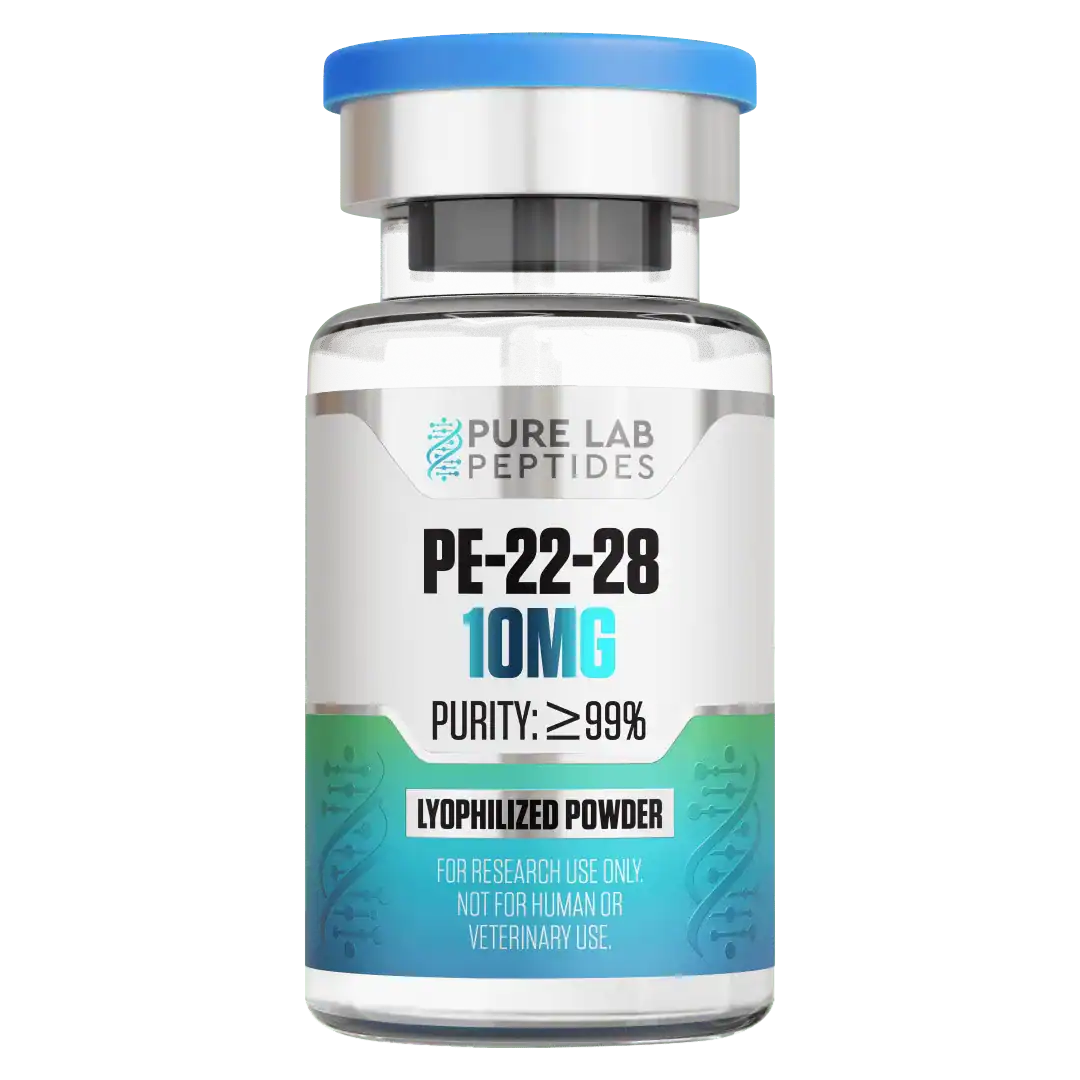
We recommend Pure Lab Peptides for high-purity PE-22-28 (10 mg).
Why Pure Lab Peptides?
- Research-grade PE-22-28 (≥98–99% purity) with third-party batch testing and COAs.
- Consistent quality control and ISO-aligned handling procedures.
- Reliable cold-chain fulfillment to maintain peptide stability during shipping.
- Transparent batch documentation for research traceability.
Important Note
This content is intended for therapeutic educational purposes only and does not constitute medical advice, diagnosis, or treatment. PE-22-28 is a research peptide not FDA-approved for human use. All information is derived from preclinical studies; no human clinical trials have been published. Consult qualified healthcare professionals before considering any experimental compounds.
References
-
Pure Lab Peptides— PE-22-28 (10 mg) product page (research-grade peptide, quality documentation)
-
PLoS Biology (2010)— Mazella et al.: Spadin, a sortilin-derived peptide targeting TREK-1 channels; novel antidepressant mechanism
-
Neuropharmacology (2012)— Moha Ou Maati et al.: Spadin as antidepressant; absence of TREK-1-related side effects
-
Frontiers in Pharmacology (2017)— Djillani et al.: Shortened spadin analogs (PE-22-28); superior TREK-1 inhibition, in vivo stability, antidepressant activity
-
Neuropharmacology (2019)— Pietri et al.: Protective effects on stroke recovery and post-stroke depression induced by sortilin-derived peptides
-
Pharmacological Research (2021)— Daziano et al.: Sortilin-derived peptides promote pancreatic beta-cell survival through CREB signaling pathway
-
International Journal of Molecular Sciences (2022)— Chang et al.: Potential of heterogeneous compounds as antidepressants; narrative review including TREK-1 modulators
-
CDC— Vaccine administration: subcutaneous injection instruction guide (technique, angle, no aspiration)
-
CDC— 4 Ways to Take Insulin; section on injection site rotation and subcutaneous technique
-
CDC Pink Book— General best practice guidelines: vaccine administration; multi-dose vial 28-day sterility rule