
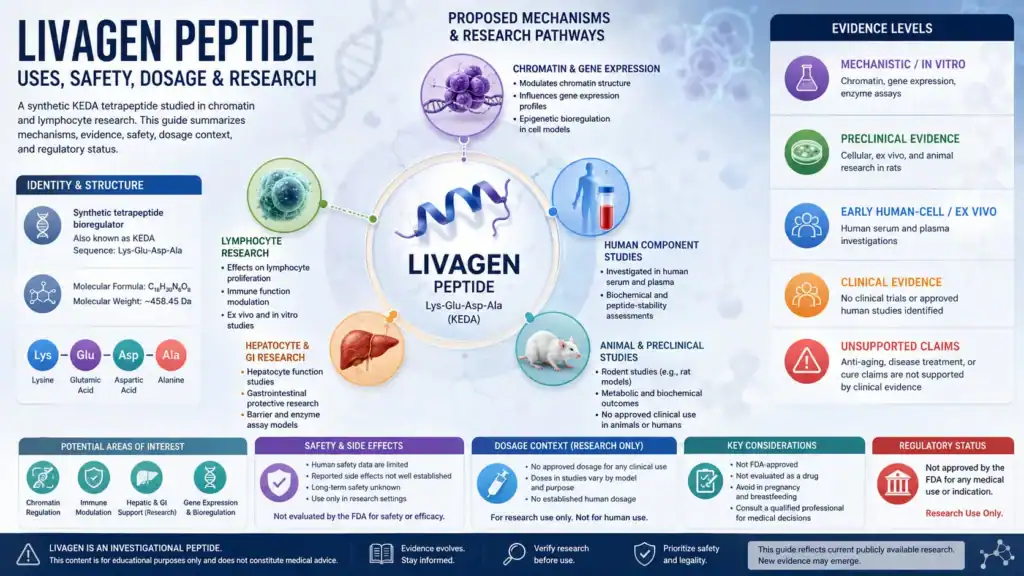
Livagen peptide is a synthetic tetrapeptide most often described by the amino acid sequence Lys-Glu-Asp-Ala, also abbreviated KEDA, and it is discussed mainly in peptide bioregulator, chromatin, lymphocyte, liver-cell, and gene expression research 1. This article is educational and reviews published evidence without recommending personal use, self-dosing, purchasing, or medical treatment decisions. The strongest Livagen literature is not approved-label clinical evidence; it is largely laboratory, ex vivo human-cell, human-serum, rat, and mechanistic research 2, 7, 10.
- Livagen is a four-amino-acid peptide listed in PubChem as H-Lys-Glu-Asp-Ala-OH, with the molecular formula C18H31N5O9 [1].
- Livagen peptide is mainly studied as a peptide bioregulator, not as an FDA-approved drug with an established prescribing label 17, 18, 19.
- Key research themes include chromatin decondensation, ribosomal gene activation, lymphocyte studies, protein synthesis, and age-related cellular models [2], 3, 6.
- Potential benefits discussed online, especially anti-aging, immune response, liver function, and gastrointestinal claims, should be interpreted through evidence level rather than assumed as proven clinical effects [6], [10], 11.
- Human-related evidence includes cultured lymphocytes from older individuals and human serum enzyme assays, but these are not the same as randomized clinical trials showing patient outcomes [6], [7].
- No approved Livagen dosage was identified in FDA labeling resources reviewed for this article; published evidence mainly reports laboratory concentrations, ex vivo methods, or animal-route context [7], [10], [17], [19].
- Safety, contraindications, pregnancy, breastfeeding, drug interaction, and long-term adverse event data remain poorly defined, which is typical of unapproved peptides without standardized clinical development programs 20, 22.
Fast Answer: What Readers Should Know First
Livagen peptide is a synthetic KEDA tetrapeptide studied mainly for chromatin activation, gene expression, lymphocyte activity, liver-cell models, and enkephalin-degrading enzyme effects [1], [2], [7]. The evidence is mostly mechanistic, ex vivo, in vitro, and animal-based, with limited human clinical outcome data. Livagen is not supported by an FDA-approved prescribing label in the reviewed U.S. drug-labeling resources [17], [18], [19]. Safety, dosage, and administration claims should therefore be treated as evidence-limited.
Evidence Snapshot for Livagen Peptide
The Livagen evidence base is narrow and specialized. Published studies include lymphocyte chromatin work in older individuals, human serum enzyme assays, rat digestive-enzyme research, and hepatocyte culture studies [2], [7], 8, [10].
What Livagen Is Studied For
Livagen is studied for chromatin structure, gene expression, ribosomal gene activity, lymphocyte changes, protein synthesis in hepatocyte cultures, and enzyme activity related to endogenous enkephalins [2], [6], [7], [8]. These are research endpoints, not proven treatment outcomes.
What Is Not Yet Established Clinically
Livagen has not been established as a standard therapy for aging, liver disease, immune dysfunction, gastrointestinal disease, pain, hypertrophic cardiomyopathy, or hepatitis in major U.S. regulatory labeling sources [17], [18], [19]. Claims that go beyond laboratory or early human-cell findings should be treated as preliminary.
What Is the Livagen Peptide?
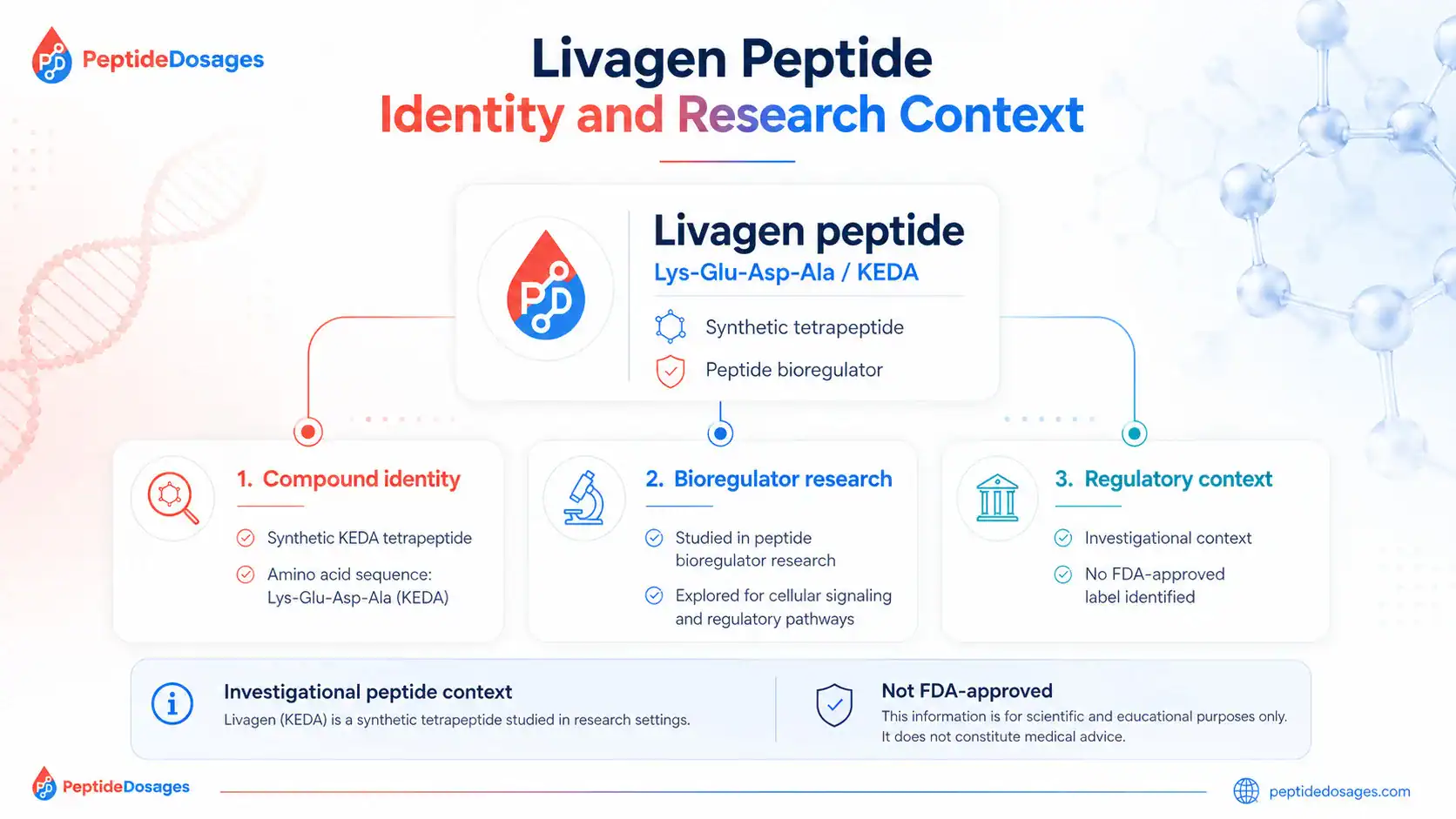
Livagen peptide is a short synthetic peptide, specifically a tetrapeptide, with the sequence Lys-Glu-Asp-Ala, often abbreviated KEDA [1]. It is usually discussed within the Russian and Eastern European peptide bioregulator literature, especially studies connected to chromatin, lymphocytes, gene expression, and aging biology [2], [6], 14.
Livagen as a Synthetic Tetrapeptide
Livagen is a synthetic tetrapeptide, meaning it contains four amino acids joined by peptide bonds [1]. Therapeutic peptide drugs exist in modern medicine, but a peptide being biologically active in research does not automatically make it an approved medicine 16.
Why Livagen Is Classified as a Peptide Bioregulator
Livagen is classified as a peptide bioregulator because the literature around it focuses on short peptides that may influence cellular regulation, gene expression, protein synthesis, and chromatin behavior [14]. Reviews of peptide bioregulation describe short peptides as possible modulators of gene expression, but the exact mechanisms and clinical relevance vary by peptide and study model [14], 15.
Lys-Glu-Asp-Ala and Basic Compound Identity
The sequence Lys-Glu-Asp-Ala identifies Livagen as KEDA, and PubChem lists the compound as H-Lys-Glu-Asp-Ala-OH [1]. Sequence identity matters because small changes in amino acid order can change peptide behavior, tissue interactions, and evidence relevance [16].
How Livagen Peptide Is Thought to Work
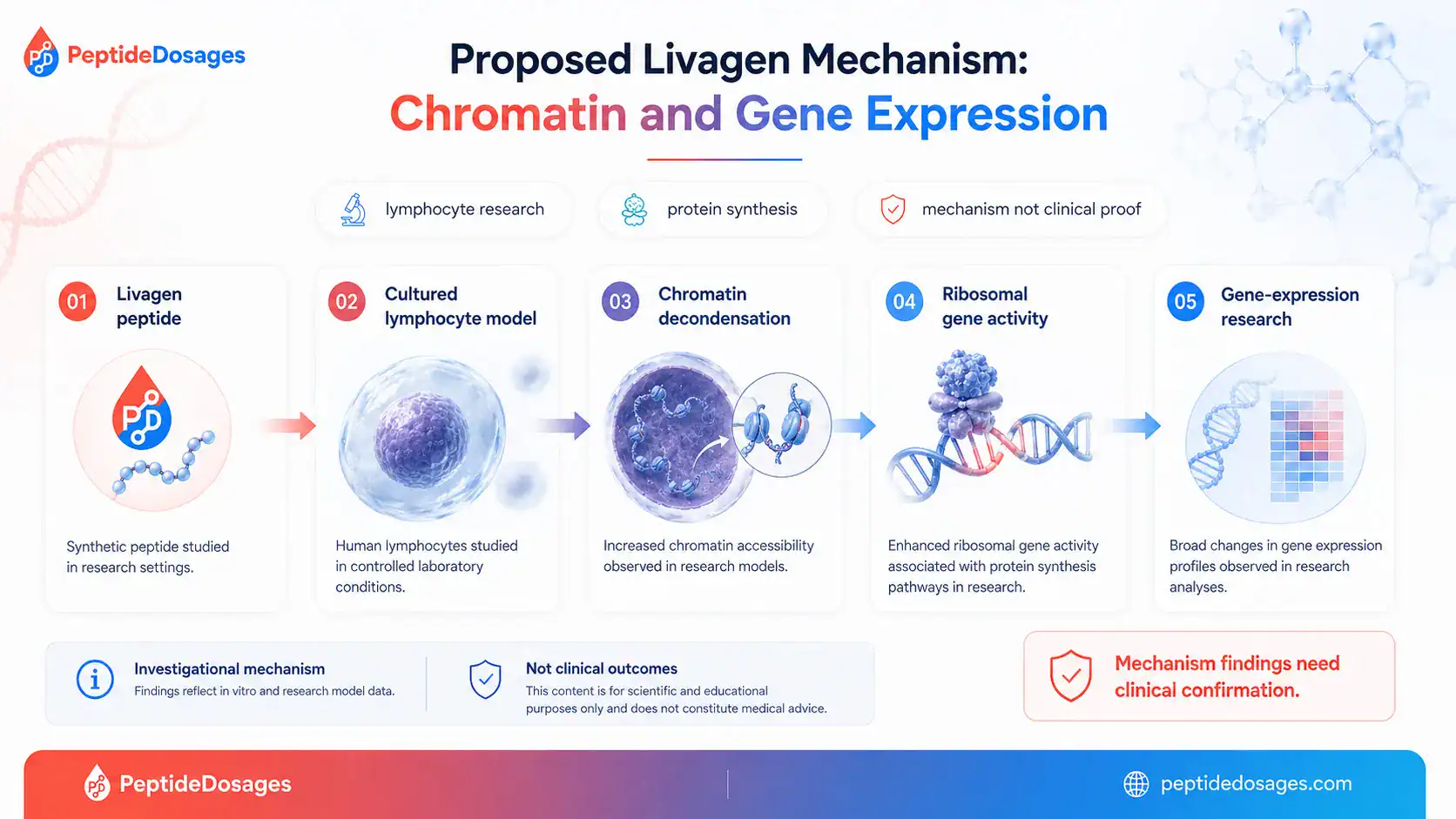
Livagen peptide is thought to work through chromatin and gene-expression related mechanisms, but those mechanisms are based mainly on laboratory and ex vivo models rather than confirmed clinical pharmacology. The most repeated research theme is de-heterochromatinization, also called chromatin activation or decondensation, in lymphocyte models [2], [3], [6].
Proposed Mechanism of Action
The proposed mechanism of action of Livagen includes chromatin decondensation, activation of ribosomal genes, and release of genes described as repressed during age-related chromatin condensation [2], [3]. A broader systematic review of peptide regulation states that peptides have been studied for effects on gene expression and protein synthesis across multiple biological models [14].
Chromatin Structure and Gene Expression
Chromatin is the DNA-protein structure that helps package DNA and regulate whether genes are accessible for transcription. Livagen studies have reported changes in heterochromatin and ribosomal gene activity in lymphocytes from older individuals, but these findings do not prove clinical anti-aging effects [2], [6].
Why Mechanism Does Not Prove Therapeutic Benefit
A mechanism can be biologically interesting without proving that a therapy improves patient outcomes. Livagen’s chromatin and gene expression findings are mechanistic and should be separated from claims that Livagen treats disease, reverses aging, or improves organ function in humans [6], [14], [20].
Chromatin, Decondensation, and Lymphocyte Research
Livagen’s best-known research lane is chromatin decondensation in lymphocytes, especially lymphocytes from older individuals. Several publications describe short peptide bioregulators, including Livagen, as affecting heterochromatin or ribosomal gene activity in cultured cells [2], [3], 5, [6].
Chromatin Decondensation in Cultured Lymphocytes
One PubMed-indexed study reported that Livagen caused de-heterochromatinization, described as activation of chromatin, in lymphocytes from older people [2]. Another study of short peptides in leukocytes from subjects aged 75 to 88 years reported activation of ribosomal genes and decondensation of densely packed chromatin fibrils after exposure to several short peptides, including Livagen [3].
Pericentromeric and Telomeric Heterochromatin
A 2007 study reported age-associated increases in chromosome heterochromatinization and examined pericentromeric and telomeric heterochromatin in cultured lymphocytes from older individuals [5]. That type of endpoint is cytogenetic and cellular, not a direct measure of lifespan, disease reversal, or clinical function.
Lymphocytes From Older Individuals in Research Context
Lymphocyte studies are useful for exploring immune-cell biology and chromatin behavior, but cultured lymphocyte responses cannot be assumed to predict whole-body therapeutic effects. Livagen’s lymphocyte evidence is therefore best classified as early human-cell or ex vivo evidence, not conventional clinical evidence [3], [6].
Gene Expression, Protein Synthesis, and Cell Activity
Livagen research links gene expression and protein synthesis mainly through peptide bioregulator models. These models suggest that short peptides may influence genome activity, but the clinical meaning of those changes remains uncertain without stronger human outcome studies [8], [14], [15].
Regulation of Genome Activity With Peptide Bioregulators
A systematic review on peptide regulation of gene expression describes peptides as biologically active molecules studied for regulatory effects in endocrine, nervous, immune, microbial, plant, rodent, primate, and human contexts [14]. Livagen belongs to this discussion because its specific studies focus on chromatin and gene activity [2], [6].
Ribosomal Genes and Protein Biosynthesis
Livagen studies report ribosomal gene activation in lymphocytes and protein synthesis changes in hepatocyte cultures [2], [8]. Ribosomal gene activity is relevant because ribosomes are central to protein biosynthesis, but a cell-culture change is not equivalent to a proven clinical benefit.
Replication, Cell Division, and Study Limitations
Chromatin decondensation can theoretically affect transcription, DNA repair access, replication, and cell division, but the Livagen studies reviewed here do not establish a validated clinical dosing-response relationship for these outcomes [6], [14]. The practical limitation is simple: cellular endpoints need clinical confirmation before being treated as medical claims.
What Is Livagen Peptide Used For or Studied For?
Livagen peptide is studied for cellular regulation, age-related chromatin changes, lymphocyte activity, liver-cell models, digestive enzyme activity, and human serum enkephalin-degrading enzymes [2], [7], [8], [10]. It should not be described as an approved treatment for those areas.
Therapeutic Areas Discussed in the Literature
Published Livagen-related literature touches on gerontology, chromatin remodeling, immune-cell biology, hepatic culture models, digestive enzyme activity, and enzyme effects in human serum [6], [7], [8], [10]. A hypertrophic cardiomyopathy paper studied functional genome indicators in lymphocyte cultures from patients and relatives, but that does not show Livagen treats hypertrophic cardiomyopathy 12.
Immune System and White Blood Cell Research
Livagen’s immune-related discussion comes mainly from lymphocytes, leukocytes, T-cell-adjacent terminology, and chromatin studies in white blood cell cultures [3], [6]. These studies support an immune-cell research context, not a conclusion that Livagen improves immune function in patients.
Gastrointestinal and Liver-Related Research Contexts
GI and liver-related claims should be narrowed to what has been studied. PubMed-indexed work reports Livagen effects on digestive enzyme activity in rats and protein synthesis rhythms in rat hepatocyte cultures, while a later KEDA-related paper discusses liver pathology experimental models and in vitro findings [8], [10], [11].
Potential Benefits of Livagen Peptide
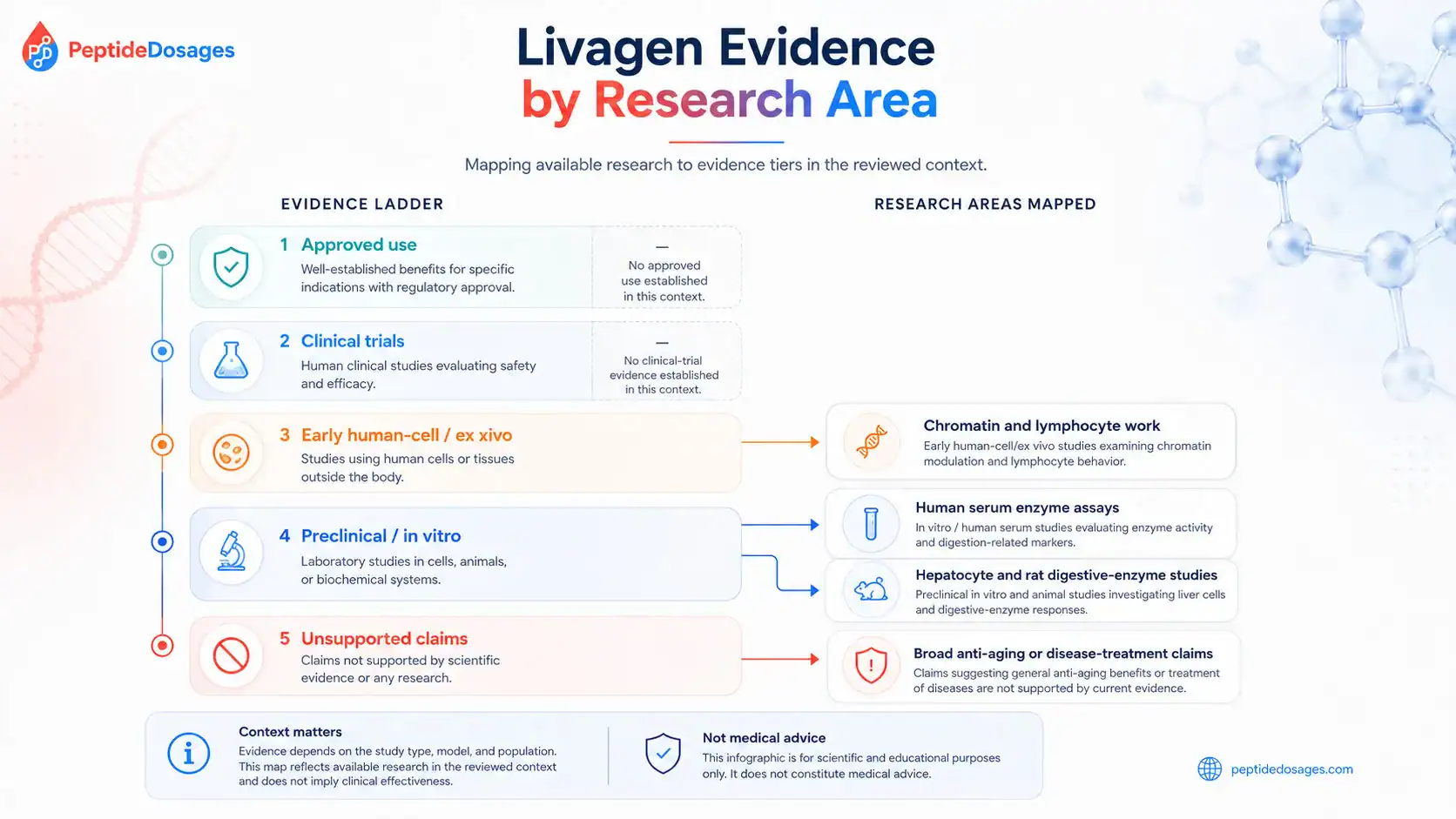
Potential benefits of Livagen peptide are best described as research hypotheses, not established therapeutic outcomes. The main hypothesized benefit areas are age-related chromatin changes, immune-cell regulation, hepatocyte function, and gastrointestinal enzyme or mucosal research contexts [2], [6], [8], [10].
| Evidence Area | What Has Been Studied | Evidence Level | What It Can and Cannot Show |
|---|---|---|---|
| Chromatin activation | Livagen and other peptide bioregulators were studied in lymphocytes from older individuals for heterochromatin decondensation and ribosomal gene activity [2], [3], [6] | Early human-cell / ex vivo | Shows cellular changes in studied samples, but not proven anti-aging benefit |
| Enkephalin-degrading enzymes | Livagen inhibited enkephalin-degrading enzymes from human serum, with an IC50 reported as 20 microM [7] | In vitro / human serum | Shows enzyme activity in serum assay, not pain treatment efficacy |
| Hepatocyte protein synthesis | Rat hepatocyte cultures from animals aged 1 to 24 months were studied for protein synthesis rhythms and Livagen exposure [8] | Preclinical / cell culture | Supports liver-cell research, not human liver function claims |
| Digestive enzymes | A rat study reported two weeks of oral Livagen exposure and age-dependent digestive enzyme activity changes [10] | Preclinical animal | Shows rat enzyme changes, not validated human GI therapy |
| Liver pathology models | KEDA and a liver polypeptide complex were reported in animal and in vitro pathology models involving hepatitis and liver function [11] | Preclinical / in vitro | Suggests research interest, not approved hepatitis treatment |
Anti-Aging and Age-Related Claims
Anti-aging claims around Livagen come mainly from chromatin and old-cell models. Livagen and related peptide bioregulators have been reported to influence chromatin regions in lymphocytes from older individuals, but this does not prove that Livagen slows aging in people [3], [6].
Immune Response and T Cell Activity
Immune-response claims should be limited to immune-cell research language. Livagen has been studied in lymphocyte and leukocyte contexts, but published lymphocyte chromatin findings do not establish clinical immune enhancement, infection prevention, or autoimmune disease treatment [3], [6].
Liver Function and Hepatocyte Research
Livagen’s liver-related evidence includes rat hepatocyte culture work and organotypic liver culture findings [8], 9. The KEDA literature also includes experimental models related to hepatitis and liver function, but these are not FDA-approved human liver disease indications [11], [17].
GI Tract and Mucosal Protection Hypotheses
Livagen’s GI evidence includes rat digestive-enzyme research, not robust human gastrointestinal trials [10]. Claims about mucosal nitric oxide, vagal nerve signaling, or broad GI protection should be framed as hypotheses unless a specific Livagen study directly measured those endpoints.
What Does Human Research Show About Livagen?
Human-related Livagen evidence is mostly ex vivo, meaning it involves human-derived samples such as lymphocytes or serum rather than patient treatment outcomes. That makes it more relevant than purely theoretical modeling, but weaker than randomized, controlled clinical trials [6], [7].
Human Serum and Enkephalin-Degrading Enzyme Studies
A 2003 study reported that Livagen and Epitalon inhibited enkephalin-degrading enzymes from human serum, with IC50 values of 20 microM for Livagen and 500 microM for Epitalon [7]. The same study reported no observed interaction between the tested peptides and mu- or delta-opioid receptors in rat brain membrane fractions [7].
Cultured Human Lymphocyte Findings
Livagen has been studied in cultured lymphocytes from older individuals, with reported chromatin decondensation and changes in heterochromatin-related endpoints [2], [3], [6]. These findings are relevant to cellular gerontology, but they do not measure symptoms, disease progression, hospitalization, survival, or quality of life.
Why Early Human Evidence Requires Caution
Early human-cell evidence can identify mechanisms worth studying, but it cannot define personal dosing, long-term safety, or clinical benefit. Livagen’s human evidence should therefore be interpreted as preliminary and mechanistic unless future clinical studies show patient-level outcomes [6], [14], [20].
Preclinical and In Vitro Evidence for Livagen
Preclinical and in vitro evidence makes up a large share of the Livagen literature. That includes rat hepatocyte cultures, rat digestive-enzyme work, animal and in vitro liver pathology models, and human serum enzyme assays [7], [8], [10], [11].
Rat Models and Translational Limits
A rat study reported that after two weeks of oral Livagen administration, digestive enzyme activity decreased in young animals and increased in old animals [10]. Rat findings can guide hypotheses, but they do not establish human efficacy, human safety, or an approved route of administration.
In Vitro Findings Versus Clinical Outcomes
In vitro studies allow researchers to control concentration, tissue, enzyme exposure, and timing, but they simplify human biology. Livagen’s in vitro and ex vivo findings should therefore be viewed as mechanism-generating evidence, not as proof that the peptide produces the same effect after human administration [7], [8], [14].
Animal and Cell Data Quality Considerations
Animal and cell data depend on model selection, concentration, exposure time, assay design, and replication. For Livagen, the main information gap is not whether cellular findings exist, but whether those findings translate into clinically meaningful benefits in well-designed human trials [6], [10], [20].
Livagen, Epitalon, and Other Peptide Bioregulators
Livagen is often discussed beside Epitalon, Epithalon, and Vilon because these compounds appear together in peptide bioregulator studies. Comparisons are useful for mechanism context, but they should not be used to imply that one peptide is clinically interchangeable with another [6], [7], [14].
Peptide Bioregulators Livagen and Epitalon
Livagen and Epitalon were directly compared in the human serum enkephalin-degrading enzyme study, where Livagen showed a lower IC50 than Epitalon for enzyme inhibition [7]. That comparison is biochemical, not a clinical ranking of benefits or safety.
Epitalon, Epithalon, and Vilon in Context
Epitalon, also spelled Epithalon in some secondary literature, and Vilon appear in chromatin studies with Livagen [3], [6]. These related peptides help explain the bioregulator research lane, but each has its own sequence, evidence base, safety questions, and regulatory status.
How Related Peptides Should and Should Not Be Compared
Related peptides should be compared by sequence, mechanism, model type, evidence level, regulatory status, and safety data. They should not be compared with claims such as “best,” “strongest,” or “most effective” unless high-quality head-to-head clinical evidence exists [14], [16].
Enkephalin-Degrading Enzymes and Opioid Pathway Research
Livagen’s opioid-pathway relevance comes from enzyme research, not from direct opioid receptor binding shown in the cited study. The key study reported inhibition of enkephalin-degrading enzymes in human serum and no interaction with rat brain mu- or delta-opioid receptors [7].
Enkephalins, Proteases, and Enzyme Inhibition
Enkephalins are endogenous opioid peptides, and enkephalin-degrading enzymes are proteases that can affect enkephalin breakdown [7]. Livagen’s reported IC50 of 20 microM in a human serum assay suggests biochemical activity in that test system, but not established pain treatment efficacy [7].
Mu and Delta Opioid Receptor Context
The same study used a radioreceptor method with a labeled enkephalin analog and reported no observed interaction between Livagen or Epitalon and mu- or delta-opioid receptors in rat brain membrane fraction [7]. That finding argues against describing Livagen as a direct mu- or delta-opioid receptor agonist based on that evidence.
Pain, Stress, and Opioid-Signaling Claims
Pain, stress, and opioid-signaling claims should be treated carefully because enzyme inhibition in serum does not prove analgesic or stress-resilience outcomes in humans. Livagen should not be presented as an opioid medication or pain therapy based on the evidence reviewed here [7], [20].
Gastrointestinal Tract and Mucosal Protection Research
Livagen’s gastrointestinal research is mainly animal-based and enzyme-focused. The most direct PubMed-indexed GI study reported age-dependent changes in digestive enzyme activity after oral administration in rats for two weeks [10].
GI Tract Findings in Animal Studies
The rat digestive-enzyme study stated that Livagen was weakly hydrolyzed and that small intestine peptide hydrolases did not hydrolyze Livagen to a meaningful extent under the conditions reported in the abstract [10]. The same abstract reported reduced digestive enzyme activity in young rats and increased activity in old rats after two weeks of oral exposure [10].
Mucosal Nitric Oxide and Vagal Nerve Signaling
Mucosal nitric oxide and vagal nerve signaling are sometimes discussed around opioid-mediated GI protection, but the cited Livagen enzyme study did not establish those as human Livagen mechanisms [7], [10]. A responsible article should separate rat digestive-enzyme findings from broader GI-protection claims.
Digestive Enzyme and Small Intestine Context
The small-intestine context is relevant because the rat study specifically examined peptide hydrolases and digestive enzyme activity [10]. It does not justify claims that Livagen treats inflammatory bowel disease, infectious diarrhea, ulcers, or other GI disorders in humans.
Livagen Dosage, Reconstitution, and Administration Context
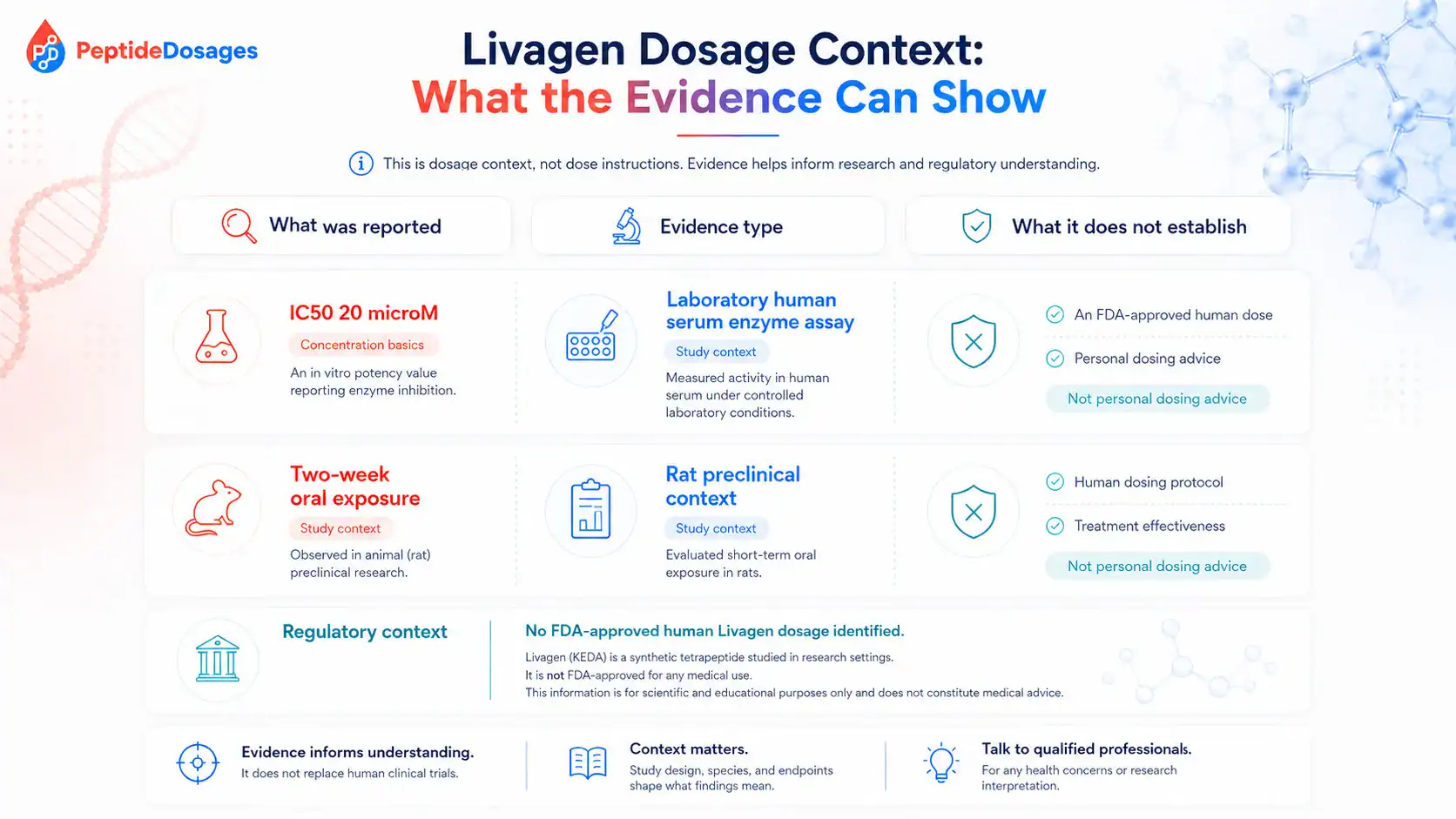
Livagen dosage cannot be presented as an approved human protocol because no FDA-approved Livagen prescribing label was identified in the reviewed U.S. drug approval and labeling resources [17], [18], [19]. Published evidence provides laboratory concentrations, cell-culture exposure, human serum assay values, and rat administration context, not a validated human dosing guide [7], [10].
What Dosage Has Been Reported in Published Studies?
The clearest numeric exposure in the cited literature is the human serum enzyme study, which reported a Livagen IC50 of 20 microM for inhibition of enkephalin-degrading enzymes [7]. The rat digestive-enzyme study reports two weeks of oral, or per os, administration, but the abstract does not provide an approved human dosage [10].
Commonly Cited Protocol Ranges Versus Medical Advice
Commonly cited Livagen protocol ranges online should not be treated as medical advice unless they can be traced to reliable clinical trials or approved labeling. For Livagen, the reviewed evidence does not provide a standardized, FDA-reviewed human dosage schedule [17], [19], [20].
Reconstitution, Concentration, and Molar Concentration Basics
For educational interpretation only, concentration means the amount of peptide divided by the final solution volume, and molar concentration relates that amount to molecular weight. Because Livagen lacks an approved clinical label in the reviewed resources, concentration math should not be converted into a personal administration plan [1], [19], [20].
Administration Routes Discussed in Research Literature
Research contexts include in vitro exposure, human serum assay work, cultured lymphocyte studies, hepatocyte culture studies, and oral administration in rats [2], [7], [8], [10]. These routes and models do not establish that injectable, oral, intranasal, or other human administration is safe or effective.
Side Effects and Safety Concerns
Livagen side effects are not well characterized in the way approved drugs are characterized through labeling, controlled trials, pharmacovigilance, and postmarketing surveillance. The main safety conclusion is uncertainty, not proven safety [19], [20], [22].
What Side Effects Have Been Reported?
The Livagen-specific sources reviewed here do not provide a robust adverse-reaction profile comparable to FDA-approved drug labeling [19], [20]. General medical commentary on newer injectable peptides notes that side effects can include injection-site irritation, fatigue, headaches, and gastrointestinal symptoms, but those reports should not be misread as Livagen-specific clinical rates [22].
Why Safety Data Are Limited for Livagen
Safety data are limited because Livagen is not supported by the kind of approved prescribing information that lists indications, contraindications, adverse reactions, use in specific populations, and dose modifications [19], [20]. Without standardized clinical trials, long-term safety, immunogenicity, toxicity, impurity risk, and interaction risk remain uncertain.
Liver Function Tests and Laboratory Monitoring Context
Liver function tests such as alanine transaminase are clinically relevant when evaluating liver-related interventions, but Livagen does not have an approved label telling clinicians how to monitor these values [19], [20]. KEDA-related experimental liver literature should therefore be treated as preclinical context rather than monitoring guidance [11].
Contraindications, Interactions, and Special Populations
Contraindications and interactions for Livagen are not well defined in approved prescribing resources. That absence is itself important because lack of label warnings does not mean absence of risk [19], [20].
Who Should Discuss Livagen With a Clinician?
Anyone considering peptide-related medical decisions should discuss the evidence, regulatory status, personal medical history, current medications, pregnancy or breastfeeding status, immune conditions, liver disease, and adverse-event uncertainty with a licensed clinician [20], [22]. This is especially important for unapproved peptides because product identity, quality, and dosing are not evaluated the same way as FDA-approved drugs [20].
Drug Interactions and Opioid-Receptor Considerations
The most relevant interaction signal from the Livagen literature is biochemical, involving enkephalin-degrading enzymes in human serum and lack of observed mu- or delta-opioid receptor binding in rat brain membrane fractions [7]. This does not define real-world drug interactions with opioids, pain medicines, psychiatric drugs, or sedatives.
Pregnancy, Breastfeeding, Immune Conditions, and Liver Disease
No approved Livagen label was identified that establishes use in pregnancy, breastfeeding, pediatric populations, immune disease, hepatic impairment, renal impairment, or older adults [19], [20]. Those gaps should be treated as reasons for caution rather than reasons to assume safety.
FDA and Regulatory Status of Livagen Peptide
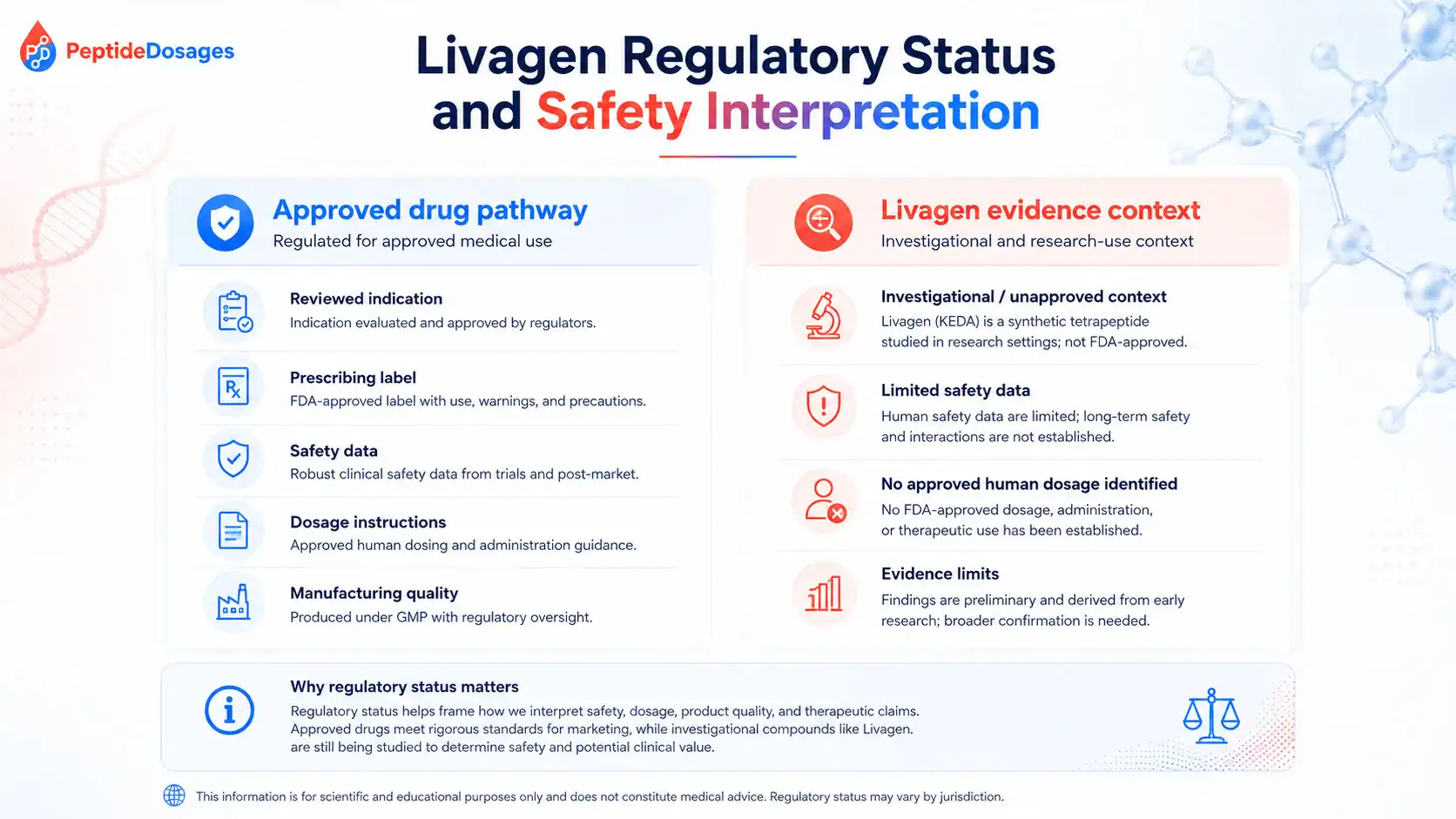
Livagen peptide does not appear in the reviewed FDA approval and labeling resources as an FDA-approved drug with a standard U.S. prescribing label. FDA databases and DailyMed are the appropriate types of resources for checking approved drug products and labeling, and no approved Livagen label was identified in those sources during this review [17], [18], [19].
Is Livagen Peptide FDA-Approved?
Livagen peptide should not be described as FDA-approved based on the sources reviewed for this article [17], [18], [19]. FDA’s Orange Book identifies drug products approved on the basis of safety and effectiveness, while DailyMed provides submitted labeling that is currently in use [18], [19].
Investigational Versus Approved Peptide Drugs
Approved peptide drugs have defined indications, manufacturing standards, dosing instructions, warnings, contraindications, and label-reviewed safety information [16], [19]. Investigational or unapproved peptides may be studied scientifically, but they are not automatically safe, effective, or legally appropriate for personal use [20].
What Regulatory Status Means for Safety and Quality
Regulatory status matters because FDA notes that unapproved drugs can carry risks related to unreviewed formulations, labels not reviewed for accuracy or completeness, unknown manufacturing processes, undocumented safety concerns, and lack of evidence of effectiveness for intended use [20]. FDA has also flagged peptide-related concerns in compounding contexts, including immunogenicity, aggregation, impurities, and active pharmaceutical ingredient characterization for certain peptides 21, 23.
Evidence Limitations and Claim-Strength Framework
The safest way to interpret Livagen is to rank each claim by evidence level. Cellular chromatin findings are stronger than unsupported online claims, but they are still weaker than approved-label evidence or large clinical trials [2], [6], [17], [20].
Evidence Strength Matrix: Mechanism to Clinical Claim
A useful claim-strength matrix for Livagen is: compound identity from chemical databases, mechanism from cell and serum studies, preclinical context from rat and hepatocyte research, early human-cell evidence from lymphocyte work, and clinical claims only if supported by patient-outcome studies [1], [2], [6], [7], [10]. Under this framework, Livagen’s anti-aging and disease-treatment claims remain unproven.
Source Quality Filter for Livagen Research
High-quality Livagen interpretation should prioritize PubMed-indexed papers, chemical databases, official regulatory databases, and transparent clinical-trial or labeling sources [1], [17], [19]. Vendor pages, influencer articles, sponsored posts, forums, and sales copy should not be used to establish therapeutic claims.
Unsupported Online Claims to Treat Carefully
Claims that Livagen reverses aging, treats liver disease, improves immune function, protects the GI tract, reduces pain, or treats cardiovascular disease should be treated as unsupported unless they cite relevant human outcome evidence. The reviewed sources support research interest in these topics, not broad clinical certainty [6], [7], [10], [12], [20].
What to Discuss With a Clinician
A clinician-focused discussion about Livagen should center on evidence quality, regulatory status, safety uncertainty, medical history, and alternatives with stronger clinical support. The goal is not to obtain a protocol, but to understand whether a claim is medically credible and safe to act on [20], [22].
Key Questions About Benefits, Risks, and Evidence
Readers can bring this checklist to a licensed clinician:
- Is the claimed benefit based on approved labeling, human trials, human-cell data, animal studies, or anecdotes?
- Is there any FDA-approved Livagen product or prescribing label?
- Are there known risks for my medical history, immune status, liver disease, pregnancy, breastfeeding, or current medications?
- Are there approved alternatives with better evidence?
- What adverse events would require urgent medical evaluation?
- How should unapproved peptide claims be evaluated for quality, safety, and legality?
How to Interpret Dosage Information Responsibly
Livagen dosage information should be interpreted as study context unless it comes from an approved label or a qualified clinician applying validated evidence. Published concentrations such as IC50 values are laboratory measurements, not personal dose recommendations [7], [19], [20].
Practical Takeaways for Medical Decision-Making
Livagen peptide is an evidence-limited bioregulator peptide with interesting chromatin, lymphocyte, enzyme, GI, and liver-cell research, but not an established FDA-approved therapeutic role [2], [7], [10], [17]. The strongest conclusions come from verified compound identity and mechanistic studies; weaker claims should be treated cautiously until stronger human clinical evidence is available.
REFERENCES
- NCBI PubChem. H-Lys-Glu-Asp-Ala-OH, CID 87919683. PubChem Compound Database. Accessed 2026.
- Khavinson VK, Lezhava TA, Monaselidze J, et al. Effects of Livagen peptide on chromatin activation in lymphocytes from old people. PubMed. 2002. PMID: 12533768.
- Khavinson VKh, Lezhava TA, Malinin VV. Effects of short peptides on lymphocyte chromatin in senile subjects. Bulletin of Experimental Biology and Medicine. 2004. PMID: 15085253.
- Lezhava T, Monaselidze J, Kadotani T, Dvalishvili N, Buadze T. Anti-aging peptide bioregulators induce reactivation of chromatin. Georgian Medical News. 2006. PMID: 16705247.
- Lezhava T, Jokhadze T. Activation of pericentromeric and telomeric heterochromatin in cultured lymphocytes from old individuals. Annals of the New York Academy of Sciences. 2007. PMID: 17460203.
- Lezhava T, Jokhadze T, Monaselidze J, et al. Epigenetic modification under the influence of peptide bioregulators on the “old” chromatin. Georgian Medical News. 2023. PMID: 37042594.
- Kost NV, Sokolov OYu, Gabaeva MV, Zolotarev YuA, Malinin VV, Khavinson VKh. Effect of new peptide bioregulators Livagen and Epitalon on enkephalin-degrading enzymes in human serum. Izvestiia Akademii Nauk. Seriia Biologicheskaia. 2003. PMID: 12942748.
- Brodskii VI, et al. Rhythm of protein synthesis in cultures of hepatocytes from rats of different ages: Norm and effect of the peptide Livagen. PubMed. 2001. PMID: 15926314.
- Riadnova II, et al. Functional morphology of an organotypic liver culture after exposure to the tetrapeptide Livagen. PubMed. 2002. PMID: 12577697.
- Authors not fully displayed in search result. Effect of peptide Livagen on activity of digestive enzymes in the small intestine. PubMed. 2005. PMID: 16075683.
- Kuznik BI, et al. The influence of polypeptide liver complex and tetrapeptide KEDA on organism physiological function in norm and age-related pathology. Advances in Gerontology. 2020. PMID: 32362099.
- Dzhokhadze TA, et al. Functional regulation of genome with peptide bioregulators by hypertrophic cardiomyopathy, by patients and relatives. Georgian Medical News. 2013. PMID: 24423684.
- Dzhokhadze TA, et al. The effect of heavy metal ions and peptide bioregulators on the expression of chromosome fragile sites in individuals of different age groups and breast cancer patients. Georgian Medical News. 2008. PMID: 18830022.
- Khavinson VK, et al. Peptide Regulation of Gene Expression: A Systematic Review. Molecules. 2021. PMID: 34834147.
- Janssens Y, Wynendaele E, Vanden Berghe W, De Spiegeleer B. Peptides as epigenetic modulators: therapeutic implications. Clinical Epigenetics. 2019. PMID: 31300053.
- Wang L, Wang N, Zhang W, et al. Therapeutic peptides: current applications and future directions. Signal Transduction and Targeted Therapy. 2022.
- U.S. Food and Drug Administration. Drug Approvals and Databases. FDA. Content current as of 2025.
- U.S. Food and Drug Administration. Approved Drug Products with Therapeutic Equivalence Evaluations, Orange Book. FDA. Updated 2026.
- National Library of Medicine. DailyMed. NLM, NIH. Accessed 2026.
- U.S. Food and Drug Administration. Unapproved Drugs and Patient Harm. FDA. 2021.
- U.S. Food and Drug Administration. Bulk Drug Substances Used in Compounding Under Section 503A of the FD&C Act. FDA. Content current as of 2026.
- American Medical Association. What doctors want patients to know about injectable peptides. AMA. 2026.
- U.S. Food and Drug Administration. Certain Bulk Drug Substances for Use in Compounding that May Present Significant Safety Risks. FDA. Content current as of 2026.
FAQs
What is Livagen peptide and how does it work?
Livagen peptide is a synthetic tetrapeptide identified as Lys-Glu-Asp-Ala, or KEDA, and it is mainly discussed as a peptide bioregulator [1]. Published research focuses on chromatin decondensation, gene expression, ribosomal gene activity, lymphocytes, and protein synthesis rather than approved clinical use [2], [6], [14]. Its proposed mechanism is biologically interesting, but mechanism data do not prove therapeutic benefit in patients.
What are the potential benefits of Livagen peptides?
Potential benefits of Livagen peptides are mostly research hypotheses, not established clinical outcomes. Published work has examined chromatin activation in lymphocytes from older individuals, enkephalin-degrading enzymes in human serum, hepatocyte culture models, and rat digestive-enzyme activity [2], [7], [8], [10]. Claims about anti-aging, immune response, liver function, or GI support should be interpreted as early human-cell, preclinical, or mechanistic evidence rather than proven therapeutic effects.
What are the research applications and uses of Livagen?
Livagen is mainly used in research contexts involving chromatin, lymphocytes, gene expression, peptide bioregulators, hepatocytes, digestive enzymes, and human serum enzyme assays [2], [7], [8], [10]. It has also been discussed alongside Epitalon and other short peptide bioregulators [7], [14]. These research applications do not establish Livagen as an approved treatment for aging, liver disease, immune disorders, pain, or gastrointestinal conditions.
What are the potential side effects of Livagen?
Potential side effects of Livagen are not well characterized because Livagen does not have an FDA-approved prescribing label with standardized adverse-reaction data [19], [20]. The main safety issue is uncertainty: long-term safety, drug interactions, contraindications, allergic reaction risk, and special-population data are limited. General peptide-related adverse effects should not be assumed to apply at known rates to Livagen unless supported by Livagen-specific clinical evidence.
What dosage information has been reported for Livagen peptide?
Dosage information for Livagen peptide should be treated as study context, not a personal dosing recommendation. The article identified laboratory and research details, including a human serum enzyme IC50 value of 20 microM and a rat study describing two weeks of oral exposure, but no FDA-approved human Livagen dosage was identified [7], [10], [17], [19]. Reconstitution or concentration calculations should not be converted into self-use instructions.
Is Livagen peptide FDA-approved or legally established for medical use?
Livagen peptide should not be described as FDA-approved based on the reviewed U.S. approval and labeling resources [17], [18], [19]. Regulatory status matters because approved drugs are reviewed for specific indications, labeling, safety, manufacturing quality, and dosage instructions. For unapproved or compounded peptides, evidence, product quality, contraindications, and safety warnings require extra caution and clinician-supervised interpretation [20], [21], [23].
Contributing Authors
The following authors are recognized for published research that helped shape the scientific and clinical context discussed in this article.
Vladimir Khavinson
Author profile: ResearchGate
Vladimir Khavinson appears in the published literature connected to Livagen peptide, Epitalon, and short peptide bioregulator research. His work is relevant to the article’s discussion of Livagen as a synthetic tetrapeptide studied in chromatin, lymphocyte, gene-expression, and enzyme-assay contexts. The selected publications below helped frame the distinction between mechanism-focused findings, early human-cell evidence, and the limits of translating peptide bioregulator research into clinical conclusions.
Selected publications:
- Effects of Livagen Peptide on Chromatin Activation in Lymphocytes from Old People — Bulletin of Experimental Biology and Medicine, 2002. PMID: 12533768.
- Effect of new peptide bioregulators Livagen and Epitalon on enkephalin-degrading enzymes in human serum — Izvestiia Akademii Nauk. Seriia Biologicheskaia, 2003. PMID: 12942748.
Teimuraz Lezhava
Author profile: ResearchGate
Teimuraz Lezhava’s published work is relevant to the chromatin and lymphocyte research lane discussed in this Livagen peptide article. His publications help contextualize studies of peptide bioregulators, heterochromatin decondensation, ribosomal gene activity, and age-associated chromatin changes. This body of work is useful for interpreting Livagen’s evidence base as primarily mechanistic, ex vivo, and cytogenetic rather than as established clinical evidence for patient outcomes.
Selected publications:
- Effects of short peptides on lymphocyte chromatin in senile subjects — Bulletin of Experimental Biology and Medicine, 2004. PMID: 15085253.
- Anti-aging peptide bioregulators induce reactivation of chromatin — Georgian Medical News, 2006. PMID: 16705247.
PUBLISHING FIELDS
- SEO Title: Livagen Peptide: Uses, Safety, Dosage and Research
- Meta Description: Learn what Livagen peptide is, how it is studied in chromatin and lymphocyte research, plus evidence limits, safety, dosage context, and FDA status.
- Suggested URL Slug:
/livagen-peptide - Page Type: Therapeutic Peptide Educational Article
- ArticleFormat: Therapeutic Peptide Educational Guide
- TargetPeptide: Livagen
- MainKeyword: livagen peptide
- CanonicalKeyword: Livagen peptide
- ExactKeywordVariant: livagen peptide
- AliasTerms: Livagen, Lys-Glu-Asp-Ala, KEDA, bioregulatory peptide, short peptide, synthetic tetrapeptide, peptide bioregulator
- PeptideCategory: Bioregulator Peptide / Investigational Peptide
- Primary Search Intent: Therapeutic informational
- Secondary Keywords: Livagen benefits, Livagen uses, Livagen side effects, Livagen dosage, Livagen research, Livagen FDA approval, Livagen safety, Livagen mechanism of action, Livagen peptide bioregulator, KEDA peptide, Livagen and Epitalon, Livagen chromatin research
- Evidence Levels Covered: No approved medical use identified; early human-cell/ex vivo evidence; preclinical evidence; in vitro evidence; mechanistic evidence; unsupported online claims
- Excerpt: Livagen peptide is a synthetic KEDA tetrapeptide studied mainly in chromatin, lymphocyte, gene-expression, hepatocyte, gastrointestinal, and enzyme-assay research. This guide reviews its proposed mechanisms, potential benefits, safety gaps, dosage context, regulatory status, and evidence limitations without presenting it as an approved therapy.
- Suggested Tags: Livagen, peptide bioregulators, KEDA peptide, chromatin research, lymphocyte research, peptide safety, investigational peptides, peptide evidence
- Featured Image Concept: Scientific evidence map showing Livagen peptide as a KEDA tetrapeptide connected to chromatin, lymphocyte, human serum, rat, and regulatory evidence tiers.
- Featured Image Alt Text: Livagen peptide evidence map showing KEDA structure, chromatin research, lymphocyte studies, safety limits, and FDA status.
- Suggested Schema: Article schema only
INFOGRAPHIC BRIEFS
Infographic Brief 1
- Placement: What Is the Livagen Peptide?
- Title: Livagen Peptide Identity and Research Context
- Purpose: Explain Livagen’s basic identity as a synthetic KEDA tetrapeptide and show why the article treats it as an investigational peptide bioregulator rather than an approved medication.
- Visual Format: Compound identity and research-context card
- Key Labels: Livagen peptide, Lys-Glu-Asp-Ala, KEDA, synthetic tetrapeptide, peptide bioregulator, investigational context, not FDA-approved
- Suggested Layout: Central peptide identity card with the KEDA sequence at the top; three surrounding branches labeled “compound identity,” “bioregulator research,” and “regulatory context.”
- Data or Concepts to Include: Livagen is identified as Lys-Glu-Asp-Ala/KEDA; it is discussed as a peptide bioregulator; no FDA-approved prescribing label was identified in reviewed U.S. resources.
- Visual Style: Clean scientific editorial illustration with soft clinical colors, molecular-pattern background, minimal icons, and no product imagery.
- Compliance Restrictions: Do not show vials, syringes, purchasing language, dose instructions, or claims that Livagen is an approved treatment.
- Alt Text: Livagen peptide identity graphic showing KEDA sequence, synthetic tetrapeptide classification, and investigational peptide bioregulator context.
- Full AI Image Prompt: Create a clean medical editorial infographic titled “Livagen Peptide Identity and Research Context.” Show a central card labeled “Livagen peptide” with “Lys-Glu-Asp-Ala / KEDA” underneath. Around it, add three simple branches: “Synthetic tetrapeptide,” “Peptide bioregulator research,” and “No FDA-approved label identified.” Use subtle molecular line art and clinical colors. Avoid product packaging, syringes, injection imagery, dosage steps, vendor branding, and promotional benefit claims.
Infographic Brief 2
- Placement: How Livagen Peptide Is Thought to Work
- Title: Proposed Livagen Mechanism: Chromatin and Gene Expression
- Purpose: Help readers understand the article’s mechanism section by visually separating chromatin decondensation, ribosomal gene activity, and gene-expression hypotheses from confirmed clinical outcomes.
- Visual Format: Mechanism diagram
- Key Labels: Livagen peptide, chromatin decondensation, lymphocyte research, ribosomal genes, gene expression, protein synthesis, mechanism not clinical proof
- Suggested Layout: Left-to-right flow: Livagen peptide → cultured lymphocyte model → chromatin decondensation → ribosomal gene activity → gene-expression research. Add a final caution box: “Mechanism findings need clinical confirmation.”
- Data or Concepts to Include: Livagen has been studied for chromatin activation/decondensation in lymphocytes from older individuals, ribosomal gene activity, and gene-expression related mechanisms; these findings do not prove therapeutic benefit.
- Visual Style: Academic pathway diagram with cell nucleus illustration, DNA/chromatin strands, and restrained annotation boxes.
- Compliance Restrictions: Do not imply anti-aging results, immune improvement, treatment efficacy, or human clinical benefit. Do not show before-and-after outcomes.
- Alt Text: Livagen peptide mechanism diagram showing chromatin decondensation, lymphocyte research, ribosomal genes, and gene expression evidence limits.
- Full AI Image Prompt: Create a professional medical infographic titled “Proposed Livagen Mechanism: Chromatin and Gene Expression.” Use a left-to-right pathway diagram showing “Livagen peptide” leading to “cultured lymphocyte model,” then “chromatin decondensation,” “ribosomal gene activity,” and “gene-expression research.” Include a clearly labeled caution box that says “Mechanism findings need clinical confirmation.” Use a clean nucleus and chromatin illustration, no human outcome imagery, no injections, no dosing steps, and no claims of proven treatment benefit.
Infographic Brief 3
- Placement: Potential Benefits of Livagen Peptide
- Title: Livagen Evidence by Research Area
- Purpose: Summarize the article’s evidence landscape table in a scannable visual so readers can distinguish early human-cell, in vitro, preclinical, and unsupported claims.
- Visual Format: Evidence ladder and evidence-area matrix
- Key Labels: Chromatin activation, human serum enzymes, hepatocyte culture, rat digestive enzymes, liver models, early human-cell evidence, preclinical evidence, unsupported claims
- Suggested Layout: Vertical evidence ladder on the left with tiers: “Approved use,” “Clinical trials,” “Early human-cell/ex vivo,” “Preclinical/in vitro,” and “Unsupported claims.” On the right, place Livagen research areas beside the correct tiers.
- Data or Concepts to Include: Chromatin and lymphocyte work is early human-cell/ex vivo; human serum enzyme assays are in vitro/human serum; hepatocyte and digestive-enzyme studies are preclinical; broad anti-aging or disease-treatment claims are not established.
- Visual Style: Editorial evidence map with clear tier colors, neutral icons, and short label text.
- Compliance Restrictions: Do not rank Livagen as effective, superior, or clinically proven. Do not include “best peptide” language or disease-cure claims.
- Alt Text: Livagen peptide evidence ladder showing early human-cell, in vitro, preclinical, and unsupported claim categories.
- Full AI Image Prompt: Create a clean evidence-ladder infographic titled “Livagen Evidence by Research Area.” On the left, show five tiers: “Approved use,” “Clinical trials,” “Early human-cell/ex vivo,” “Preclinical/in vitro,” and “Unsupported claims.” On the right, map “chromatin and lymphocyte work” to early human-cell/ex vivo, “human serum enzyme assays” to in vitro/human serum, “hepatocyte and rat digestive-enzyme studies” to preclinical/in vitro, and “broad anti-aging or disease-treatment claims” to unsupported claims. Use neutral medical design, no promotional wording, no product imagery, and no guaranteed outcomes.
Infographic Brief 4
- Placement: Livagen Dosage, Reconstitution, and Administration Context
- Title: Livagen Dosage Context: What the Evidence Can Show
- Purpose: Clarify that the article discusses laboratory concentrations and animal-study context, not an approved human dosing protocol.
- Visual Format: Dosage-context framework
- Key Labels: Study context, IC50 20 microM, rat oral exposure, no FDA-approved dosage, concentration basics, not personal dosing advice
- Suggested Layout: Three-column framework: “What was reported,” “Evidence type,” and “What it does not establish.” Include IC50 20 microM under laboratory enzyme assay and two-week oral rat exposure under preclinical animal context.
- Data or Concepts to Include: Human serum enzyme IC50 of 20 microM; rat study described two weeks of oral exposure; no FDA-approved human Livagen dosage was identified in reviewed U.S. resources.
- Visual Style: Simple clinical table-style graphic with icons for lab assay, animal study, and regulatory label.
- Compliance Restrictions: Do not provide self-use dosage, injection steps, reconstitution tutorial, vial imagery, syringe imagery, or personalized instructions.
- Alt Text: Livagen peptide dosage context graphic showing laboratory IC50, rat oral exposure, and no FDA-approved human dosage.
- Full AI Image Prompt: Create a medically responsible infographic titled “Livagen Dosage Context: What the Evidence Can Show.” Use a three-column layout: “What was reported,” “Evidence type,” and “What it does not establish.” Include “IC50 20 microM” as a laboratory human serum enzyme assay, “two-week oral exposure” as rat preclinical context, and “no FDA-approved human Livagen dosage identified” as regulatory context. Use abstract lab icons only. Do not show syringes, vials, injection sites, reconstitution steps, self-use instructions, or dose recommendations.
Infographic Brief 5
- Placement: FDA and Regulatory Status of Livagen Peptide
- Title: Livagen Regulatory Status and Safety Interpretation
- Purpose: Visualize why regulatory status matters for interpreting Livagen safety, dosage, product quality, and therapeutic claims.
- Visual Format: Approved vs investigational status map
- Key Labels: FDA-approved drug, prescribing label, investigational peptide, unapproved peptide, safety data, dosage instructions, product quality, evidence limits
- Suggested Layout: Split-panel comparison: left side “Approved drug pathway” with label, indication, safety data, dosage instructions; right side “Livagen evidence context” with investigational/unapproved status, limited safety data, no approved dosage, evidence limits.
- Data or Concepts to Include: Approved drugs have reviewed indications, labeling, safety, manufacturing quality, and dosage instructions; Livagen should not be described as FDA-approved based on reviewed U.S. sources.
- Visual Style: Clean regulatory explainer, professional editorial layout, restrained icons, no alarmist graphics.
- Compliance Restrictions: Do not imply illegality in all jurisdictions, do not give purchasing advice, do not show vendors, and do not imply unapproved products are safe or equivalent to approved drugs.
- Alt Text: Livagen peptide regulatory status infographic comparing approved drug labeling with investigational and unapproved peptide evidence limits.
- Full AI Image Prompt: Create a clean regulatory infographic titled “Livagen Regulatory Status and Safety Interpretation.” Use a split-panel layout. Left panel: “Approved drug pathway” with icons labeled “reviewed indication,” “prescribing label,” “safety data,” “dosage instructions,” and “manufacturing quality.” Right panel: “Livagen evidence context” with labels “investigational/unapproved context,” “limited safety data,” “no approved human dosage identified,” and “evidence limits.” Use professional medical design, no sales imagery, no vendor language, no product packaging, and no self-administration visuals.